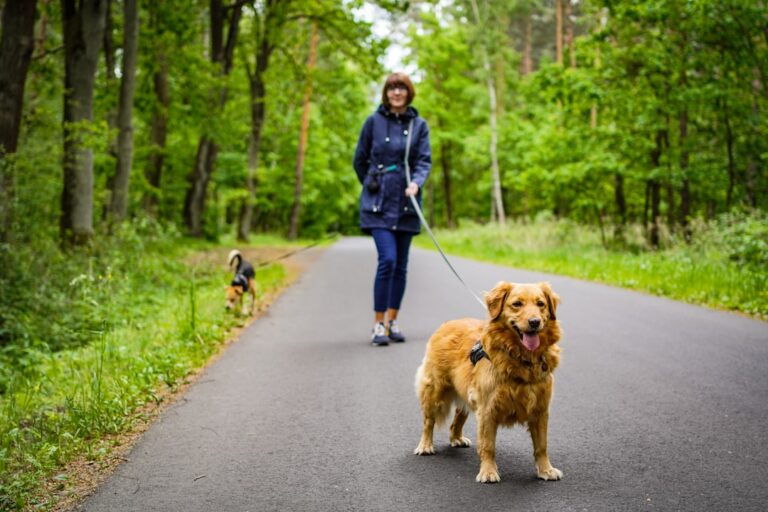
Hands-On Dog Training Positive Methods: What Owners Say
Quick Summary: Hands-On Dog Training uses reward-based methods like treats and management to teach dogs, emphasizing positive reinforcement and consistency. Owners report it works well for basic manners, puppies, and household routines, but it requires patience and daily effort. The approach is aligned with current research and humane standards, making it a good choice for owners seeking kind, effective training, especially for less severe behavioral issues.
If you want a trainer who uses treats, timing, and management as real tools, not cheap tricks, this review is for you. Many owners hear big promises but struggle to tell if hands-on dog training positive reinforcement works in daily life. I break down what owners actually report, how hands-on dog training positive reinforcement works at home, and where hands-on dog training positive reinforcement fits for puppies, pet dogs, and sport teams.
What the Positive Reinforcement Philosophy Actually Looks Like in Training
Positive reinforcement is simple in practice: mark the right choice, pay it fast, and set the dog up to win again. That fits the current AVSAB humane training position, which recommends reward-based methods and says aversives are not needed.

Reward-based methods and why they matter
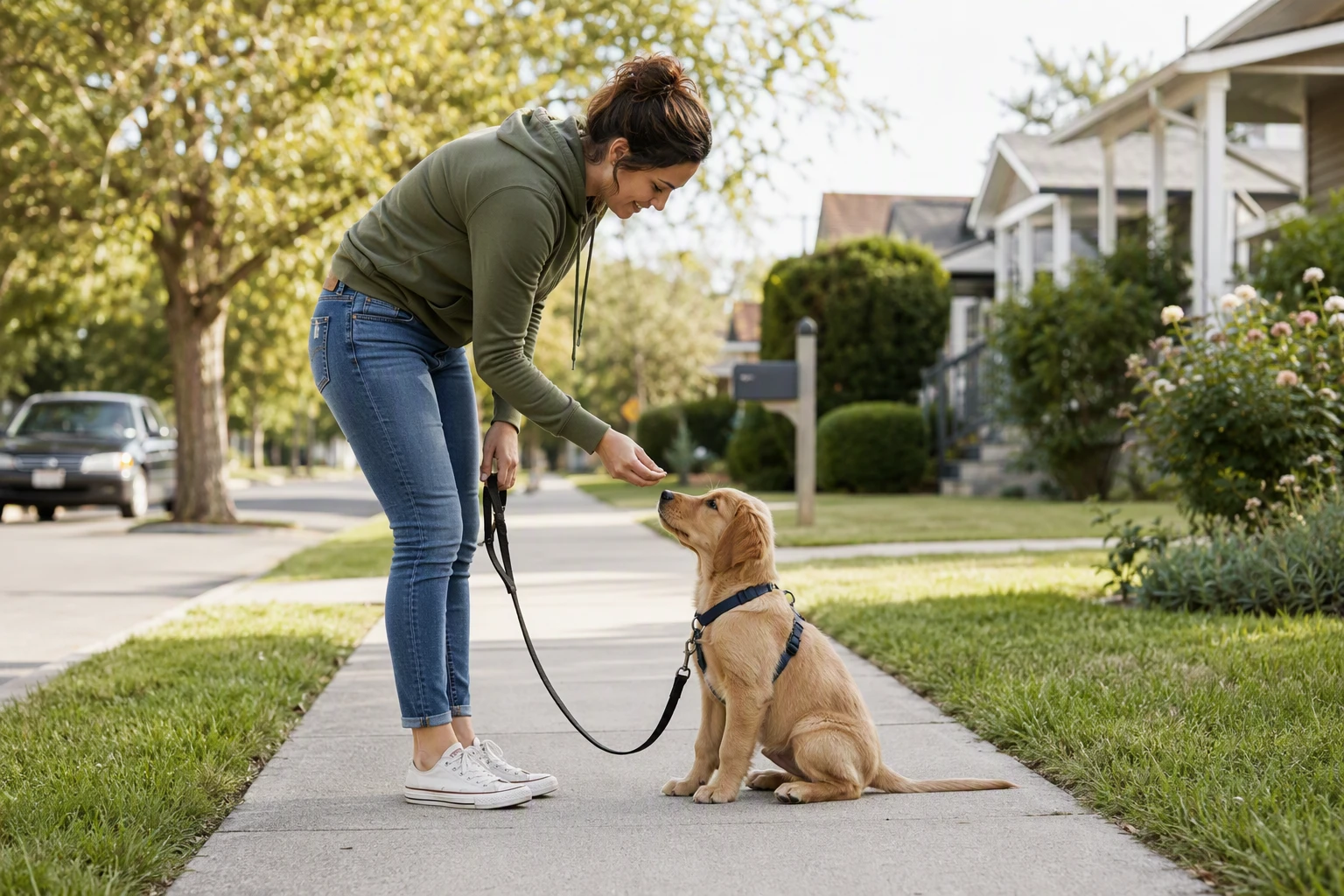
- You reward sits, check-ins, loose leash steps, and calm greetings.
- You do not wait for a mistake, then correct it.
- Research in PLOS One on companion dog welfare found aversive-based training was linked to more stress signs.
Management is part of the method
- Gates, tethers, distance, treats, and shorter sessions are training tools.
- Management stops rehearsal of bad habits while your dog learns the better option.
If your dog keeps failing, change the setup before blaming the dog.
Where the philosophy feels most useful
- Puppies, leash pulling, recall, jumping, barking at guests, and sport foundation work.
- Hands-On Dog Training seems strongest where owners need clear homework that works at home, not just in class.
Also Read: Using Positive Reinforcement to Train Your Dog Effectively
Pros and Cons of This Approach for Real Dog Owners
Pros that matter in daily life
Positive methods are easier to live with. You reward the behavior you want, so your dog learns faster without the fallout of fear. The AVSAB humane training position says reward-based methods are safer for welfare and the dog-owner bond.
Cons owners should expect
This style still takes work. You need timing, patience, treats, and management at home. Bad habits can stick if the family is inconsistent. For fear, reactivity, or aggression, a plain obedience class is often not enough. A review of aversive training research also notes behavior plans need skill and follow-through.
Best-fit and not-so-best-fit households
Best fit:
- homes that can train in short daily sessions
- owners who want trust and clear routines
Harder fit:
- households wanting instant results
- homes where rules change by person
- severe behavior cases without pro help
Positive training works best when everyone handles the dog the same way.
Also Read: Effective Positive Reinforcement Supplies for Dog Training
How Hands-On Dog Training Compares With Other Humane Trainers
What competitors do well: Humane trainers like The Canine Connection, LLC and Sierra Canine often offer solid class structure, sport options, and clear handling skills. That matters. The bigger point is method: the AVSAB humane training statement says reward-based training should be used for all dog training and behavior work.
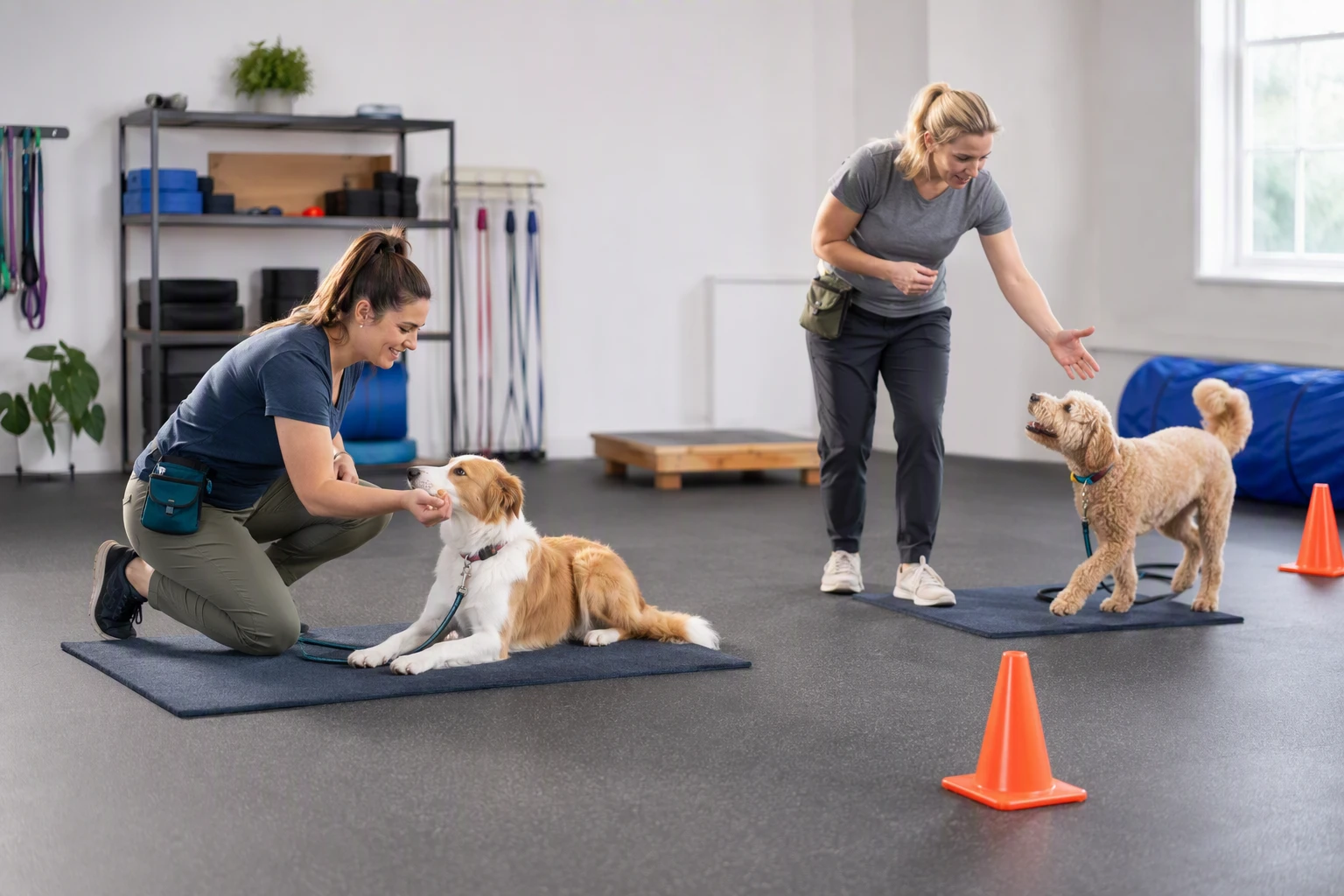
Where Hands-On Dog Training can differentiate: Hands-On Dog Training stands out when owners need local, in-home help, not just group reps. That is useful for barking, leash chaos, and household routines. The AVMA coverage of veterinary behaviorists also backs reward-based methods over aversive ones.
Also Read: Best Dog Training Programs for Positive Reinforcement
Is Hands-On Dog Training Worth It?
If you want reward-based help, yes. AVSAB recommends reward-based methods for all dog training, and that fits Hands-On Dog Training well.
Who should choose this trainer
- New puppy owners who want clear, kind coaching
- Families who prefer in-home help and real-life routines
- Owners working on manners, leash skills, and calm behavior
- People who want a trainer aligned with force-free standards
This is a strong fit if you want coaching that feels practical, not harsh.
Who may want to look elsewhere
- Owners who want fast fixes through punishment tools
- Handlers looking for board-and-train or sport-only intensity
- Cases with serious bite risk, since dog training evidence for aggression outcomes is still mixed in one systematic review
If safety is a concern, ask about behavior case limits before you book.

Want calmer walks and clearer training at home? Book with Hands-On Dog Training for positive, local help in Chico and Oroville.
Frequently Asked Questions
Q1: Hands-On Dog Training philosophy?
Hands-On Dog Training uses positive reinforcement. You reward the behavior you want, set clear routines, and avoid harsh corrections. That helps dogs learn faster, stay engaged, and build trust with their owner.
Q2: Does this work for stubborn dogs?
Yes. Most so-called stubborn dogs are confused, stressed, or under-motivated. Short sessions, better rewards, and clearer timing usually fix progress stalls.
Q3: How fast will I see results?
You may see small wins in days. Reliable habits often take weeks. Puppies, rescue dogs, and high-energy breeds usually need more repetition and daily practice.
Q4: What should I bring to training?
Bring soft treats, a regular leash, patience, and realistic goals. A hungry dog and a calm setting help more than fancy gear.
Conclusion
Hands-On Dog Training stands out when it keeps things simple – clear timing, rewards, management, and real-life practice. That fits current guidance from AVSAB and research showing aversive methods can harm welfare in companion dogs.