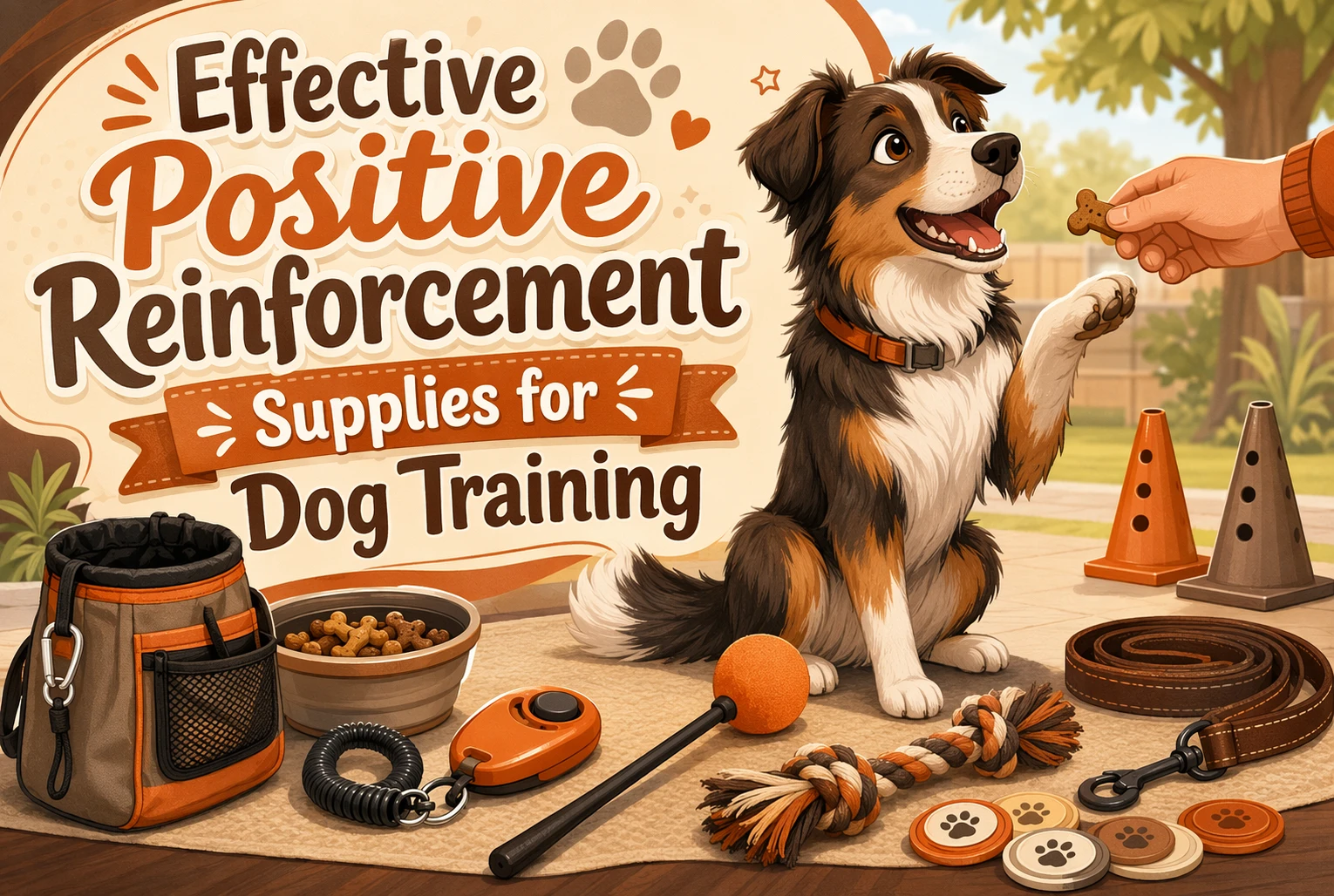
Effective Positive Reinforcement Supplies for Dog Training
Quick Summary: Effective positive reinforcement training relies on supplies that allow quick access to treats and clear markers like clickers or words. Using small, soft treats and simple gear helps maintain timing and consistency, especially in busy or distracting environments. The right tools vary based on the dog’s age, focus, and training context, with basic kits suitable for beginners and more advanced gear for experienced trainers. Overall, fast, reliable reward delivery and clear communication are key to successful dog training.
If treats sit deep in your pocket and your clicker hides in a bag, your timing slips fast. The best Dog Training Supplies fix that right away. This review covers the real problem with Dog Training Supplies and Dog Training Tools: slow reward delivery, missed markers, and messy setups. I focus on hands-on Positive Reinforcement gear that speeds training, keeps rewards easy to reach, and helps you choose Dog Training Supplies that work in daily life.
What Actually Matters in a Positive Reinforcement Setup
Fast access beats fancy features. If you fumble with zippers, lids, or deep pockets, your timing slips. A simple treat pouch with a wide opening wins because dogs learn fastest when rewards arrive right after the behavior, and new skills work best with continuous reinforcement at first, according to AKC’s reward timing guide.
The marker tool matters as much as the treats. A clicker or short word like yes tells your dog the exact moment they got it right. That clear marker makes training more precise and helps bridge the gap until the treat lands, as explained by AKC’s clicker training guide.
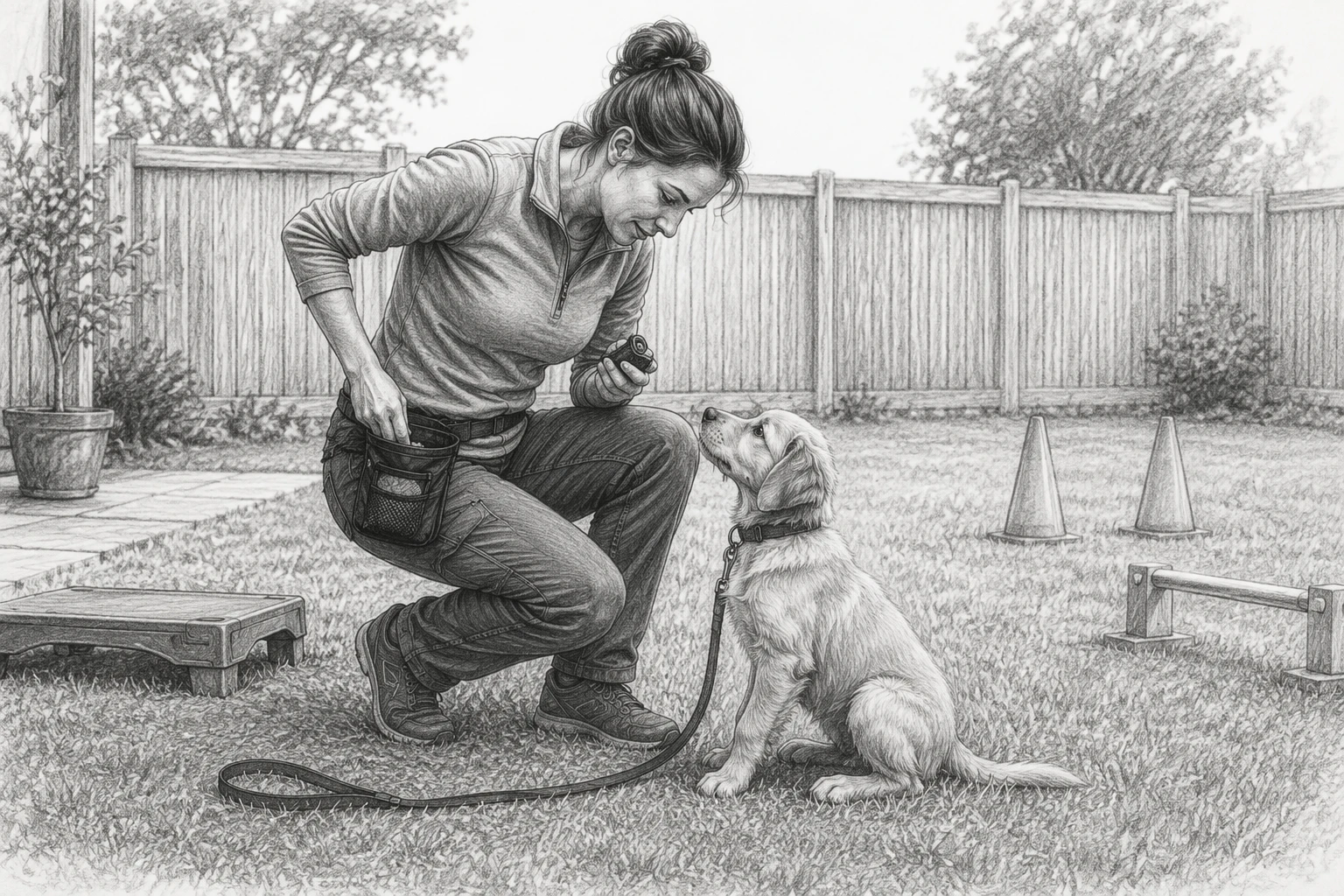
Treat size and mess level affect consistency. Use tiny, soft rewards you can deliver fast. Greasy, crumbly treats slow you down, dirty your hands, and make you reward less often. If cleanup feels annoying, your training reps drop too.
Also Read: https://handsondogtraining.com/deepening-the-bond-the-power-of-positive-reinforcement
How to Choose the Right Supplies for Your Dog
Pick supplies that help you reward fast, stay calm, and keep training simple. AVSAB recommends reward-based methods, so choose gear that makes treats, toys, and timing easier.
- Puppies and new pet parents: Start with a soft treat pouch, pea-sized treats, a light leash, and a washable mat. Keep rewards on you, not across the room. AVSAB also notes immediate rewards matter, which is huge for potty training and first cues.
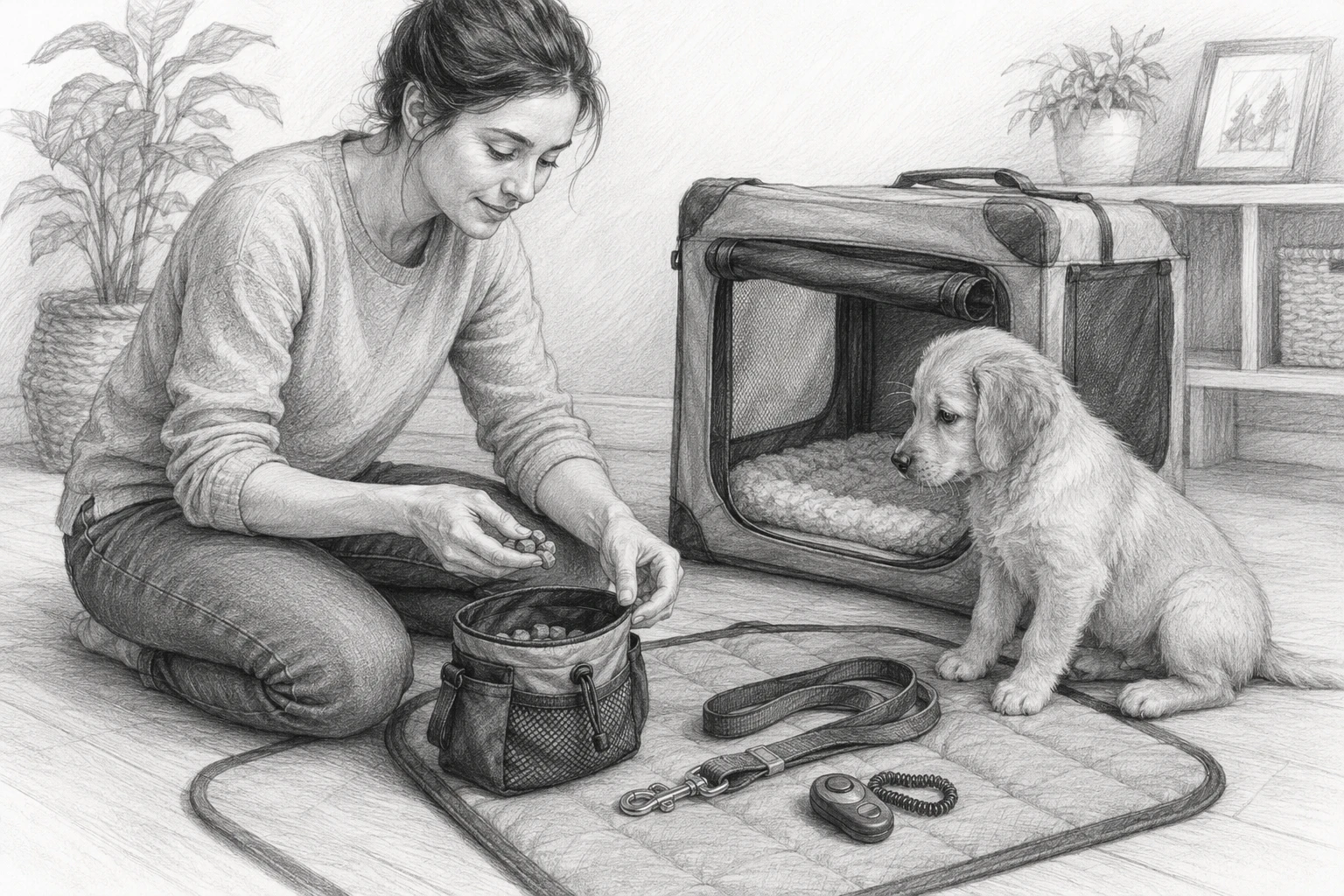
- Sound-sensitive or easily distracted dogs: Skip noisy pouches, stiff velcro, and bulky gear. Use a quiet silicone pouch, soft marker word, and higher-value treats. If your dog stops eating outside, your reward is too weak or the setting is too hard.
If your dog will not take food, add distance and lower the challenge first.
- Dog sport participants and advanced trainers: Choose fast-access gear. Look for magnetic pouches, clear marker tools, tug toys, and easy-clean pockets. You want one-handed reward delivery, fast resets, and supplies that hold up through repetition.
Also Read: https://handsondogtraining.com/loose-leash-walking-enjoying-stress-free-walks-in-oroville
Pros and Cons of Core Positive Reinforcement Supplies
What works well
- Treat pouches, clickers, and washable mats make good timing easier.
- A marker helps you point out the exact right moment, and AKC notes that clickers improve clarity in mark-and-reward training for many dogs.
What can be frustrating
- Clickers can be one more thing to hold.
- Some dogs startle at the sound.
- Treat crumbs, greasy pockets, and slow access can also break your rhythm.
- Research found clickers were not clearly better than food alone or a verbal marker for teaching new tasks, so skill still matters most in practice.
Also Read: https://handsondogtraining.com/the-akc-canine-good-citizen-is-your-dog-ready
Is This the Right Starter Kit for You?
Best for first-time trainers
This kit fits you if you need simple wins fast. A treat pouch, clear marker, and easy-clean rewards help you reinforce on time. That matters because delayed reinforcement can slow learning, according to University of Waikato research.
Best for owners training in real-world environments
It also suits walks, parks, class, and busy home life. Fast treat access and a clear marker help when your dog is moving, sniffing, or distracted. Marker training can improve precision and learning in harder setups, including working-dog tasks, per Frontiers in Veterinary Science.
When to upgrade beyond the basics
Upgrade once your dog is fluent and you need more range, speed, or durability. Add higher-value rewards, sport-specific toys, or hands-free storage if basics feel slow, messy, or hard to use under pressure.

Need help choosing treats, pouches, and clickers that actually work? Hands-On Dog Training helps Chico and Oroville owners build better timing, cleaner sessions, and faster progress with positive reinforcement.
Frequently Asked Questions
Q1: What supplies are essential for effective positive reinforcement dog training?
Keep it simple: soft treats, a treat pouch, a marker like a clicker or verbal “yes,” an easy-to-hold leash, and a few reward toys. Add cleanup basics like poop bags and washable mats if you train indoors.
Q2: Which treats and toys work best as rewards in positive reinforcement dog training?
Use small, soft, fast-to-eat treats for quick reps. Save higher-value food for hard skills or distractions. For toys, test tug toys, balls, or fleece rewards. The best reward is the one your dog will work for right now.
Q3: How do I choose the right positive reinforcement tools for my dog’s specific needs?
Match the tool to your dog’s age, drive, mouth size, and focus level. Puppies do best with tiny soft treats. Toy-driven dogs may prefer tug. Shy dogs often need quiet markers and low-pressure setups. Pick gear you can use fast and cleanly.
Conclusion
The best positive reinforcement supplies help you reward fast, mark clearly, and stay consistent. That matters because AVSAB recommends reward-based methods for all dog training, and research found reward methods effective and efficient.