
Dog Training: 8 Signs Your Puppy Is Ready for Classes
Quick Summary: Puppies are ready for training classes when they are healthy, vaccinated, and around 7-8 weeks old. They should be able to focus briefly, recover quickly from new sights and sounds, and handle gentle handling. Starting early with positive, age-appropriate classes helps build social skills and lifelong habits before problems develop.
Your puppy may feel like adorable chaos, but daily habits can show if they are ready for class. Many new owners wait for a “perfect” pup, or worry they will start too soon. That delay can hurt social time and make puppy training harder than it needs to be. This guide covers 8 clear signs, what strong puppy training classes include, and how trainers judge puppy training readiness based on health, age, focus, and basic learning ability.
Quick Comparison
| Sign | Best for | What it shows | Why it matters |
|---|---|---|---|
| Can stay healthy and meet vaccination requirements | Knowing whether your puppy can attend safely | Your puppy is cleared for group learning | Protects your puppy and the rest of the class |
| Is old enough for a structured puppy class | Checking if your puppy fits class timing | Your puppy is in a good learning stage | Early training can shape lifelong habits |
| Can handle short periods of focus | Puppies that can learn in brief sessions | Emerging trainability and engagement | Classes rely on tiny wins and repetition |
| Recovers quickly from new sights and sounds | Puppies who are curious, not shut down | Good socialization potential | Confidence helps puppies learn in real life |
What to know about puppy training
Puppy training is not about getting perfect behavior fast. It is about using the right learning window, when your puppy is healthy, curious, and able to focus for a few minutes at a time.
Classes matter because early habits stick. A good class helps your puppy learn around new people, dogs, sounds, and rules without feeling overwhelmed.
The goal is simple – start when your puppy is ready to learn, not when problems are already hard to fix.
1. Can stay healthy and meet vaccination requirements
Health and safety come first. Before puppy classes, your pup should be healthy, symptom-free, and meet the trainer’s vaccine rules. The AKC notes instructors check vaccines, and the AVSAB says puppies need at least one vaccine 7 days before class.

Highlights
- Safe to join other dogs
- Lowers illness risk for class
- Often the first enrollment check
Pros
- Clear yes-or-no checkpoint
- Helps protect your puppy and classmates
Cons
- Depends on your vet and class rules
This ranks first because no puppy training class should start before health clearance is in place.
Last updated: August 4, 2026
Also Read: https://handsondogtraining.com/resources
2. Is old enough for a structured puppy class
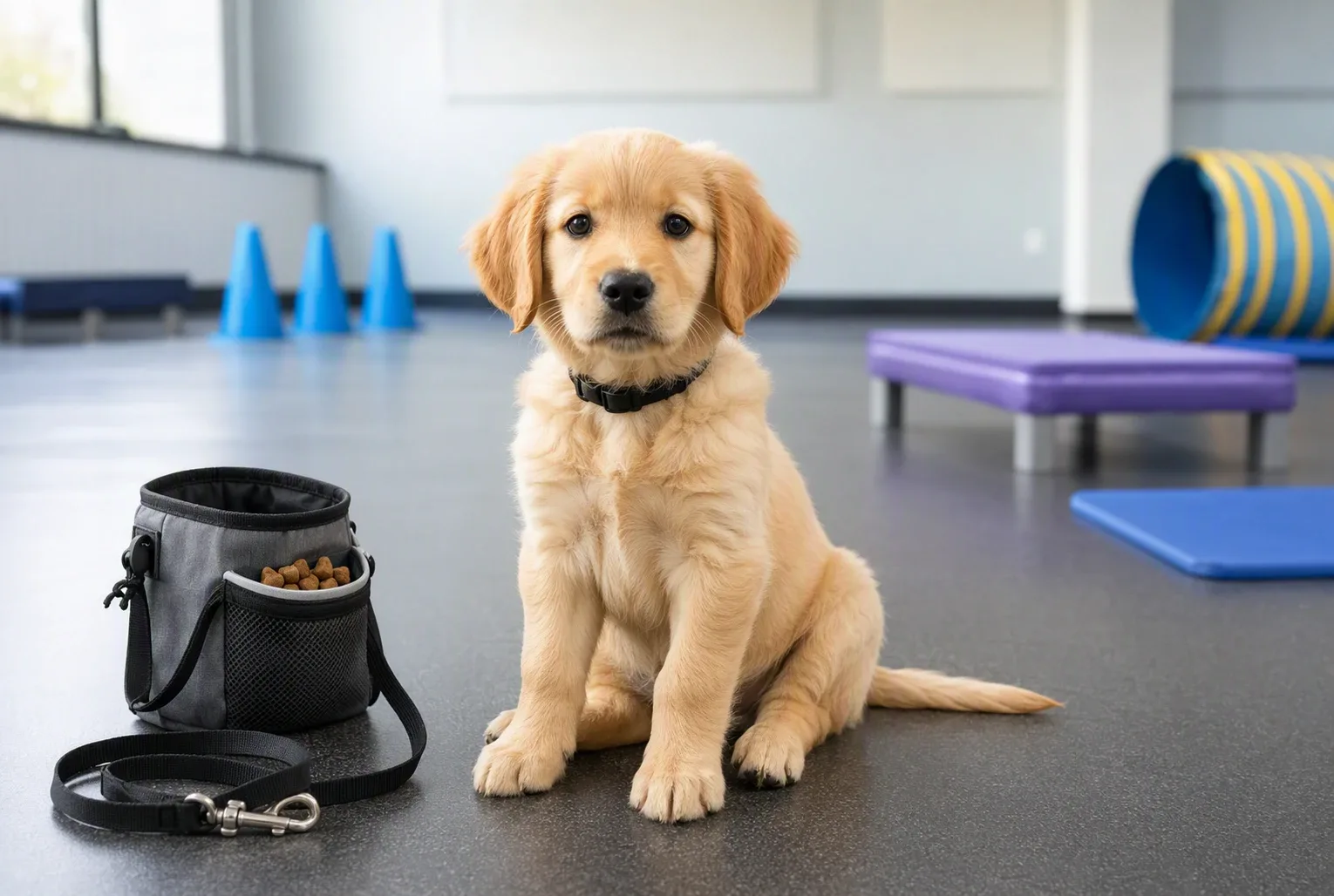
Age matters more than perfection. Many puppies are ready to start class young, often around 7 to 8 weeks with vet approval and basic vaccine steps, according to the AVSAB position statement and AKC guidance.
Highlights
- Fits the age range used by many puppy programs
- Helps you catch a key learning and socialization window
Pros
- Easy to check
- Can prevent bad habits from sticking
Cons
- Age alone does not mean your puppy is fully ready
It ranks here because the right puppy training age helps you start early, but not too early.
Last updated: August 4, 2026
Also Read: https://handsondogtraining.com/blog
3. Can handle short periods of focus
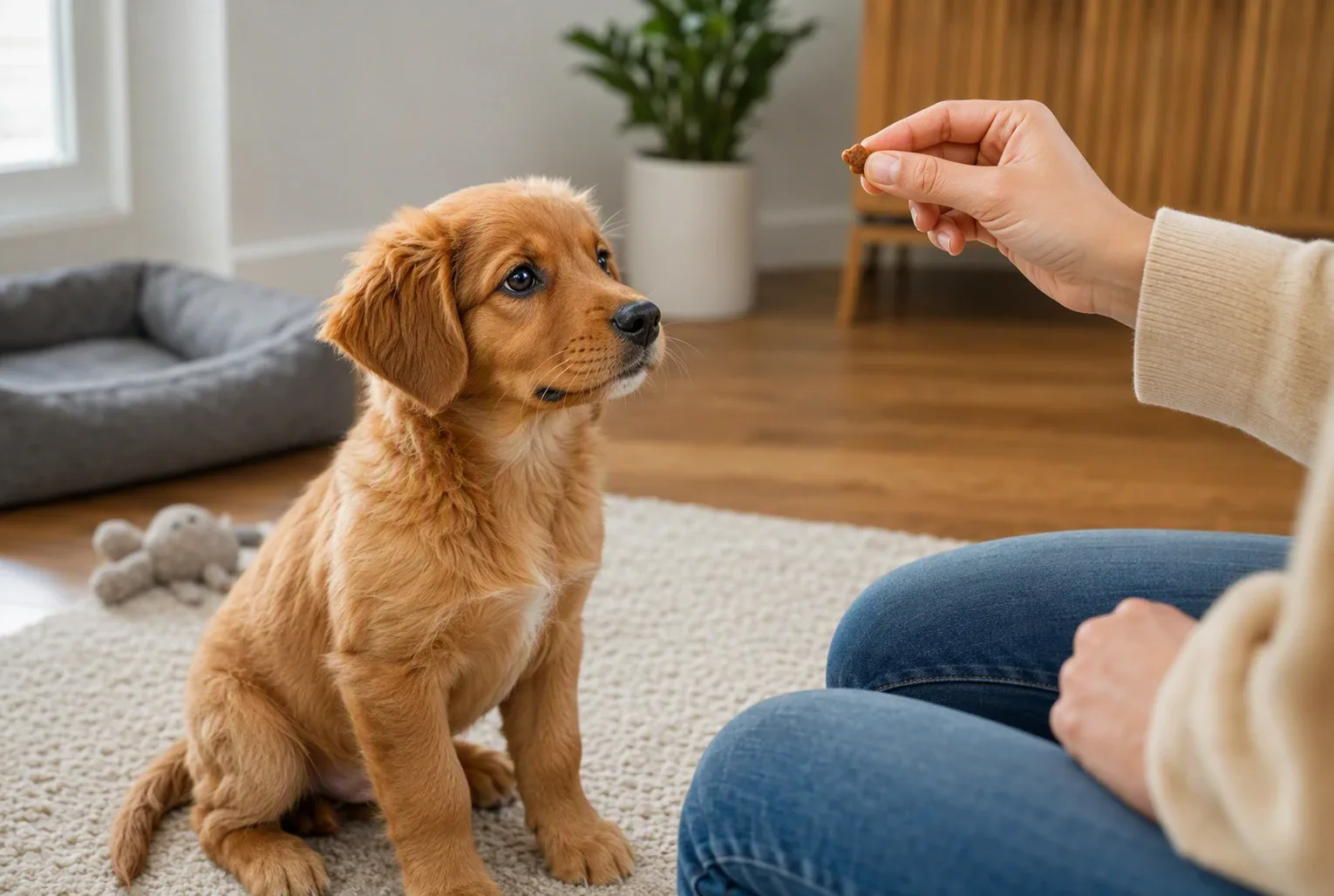
Your puppy does not need long focus to start class. A few seconds of eye contact, following a lure, or doing one simple cue is enough to show real puppy class readiness. The AKC notes early sessions should stay short and positive, which fits how puppies learn best in small daily chunks.
Highlights
- Shows they can learn in a class setting
- Makes group instruction less overwhelming
- Lets the trainer build skills in tiny, successful steps
Specs
- Best for: Puppies that can learn in brief sessions
- What it shows: Emerging trainability and engagement
- Why it matters: Classes rely on tiny wins and repetition
Pros
- Easy to build on
- Works well with positive reinforcement
- Helps puppies succeed early
Cons
- Very distracted puppies may need extra one-on-one work
- Focus varies by breed and temperament
It ranks here because short attention spans are normal, but some focus is still needed for steady progress.
Last updated: August 4, 2026
Also Read: https://handsondogtraining.com/classes
4. Recovers quickly from new sights and sounds
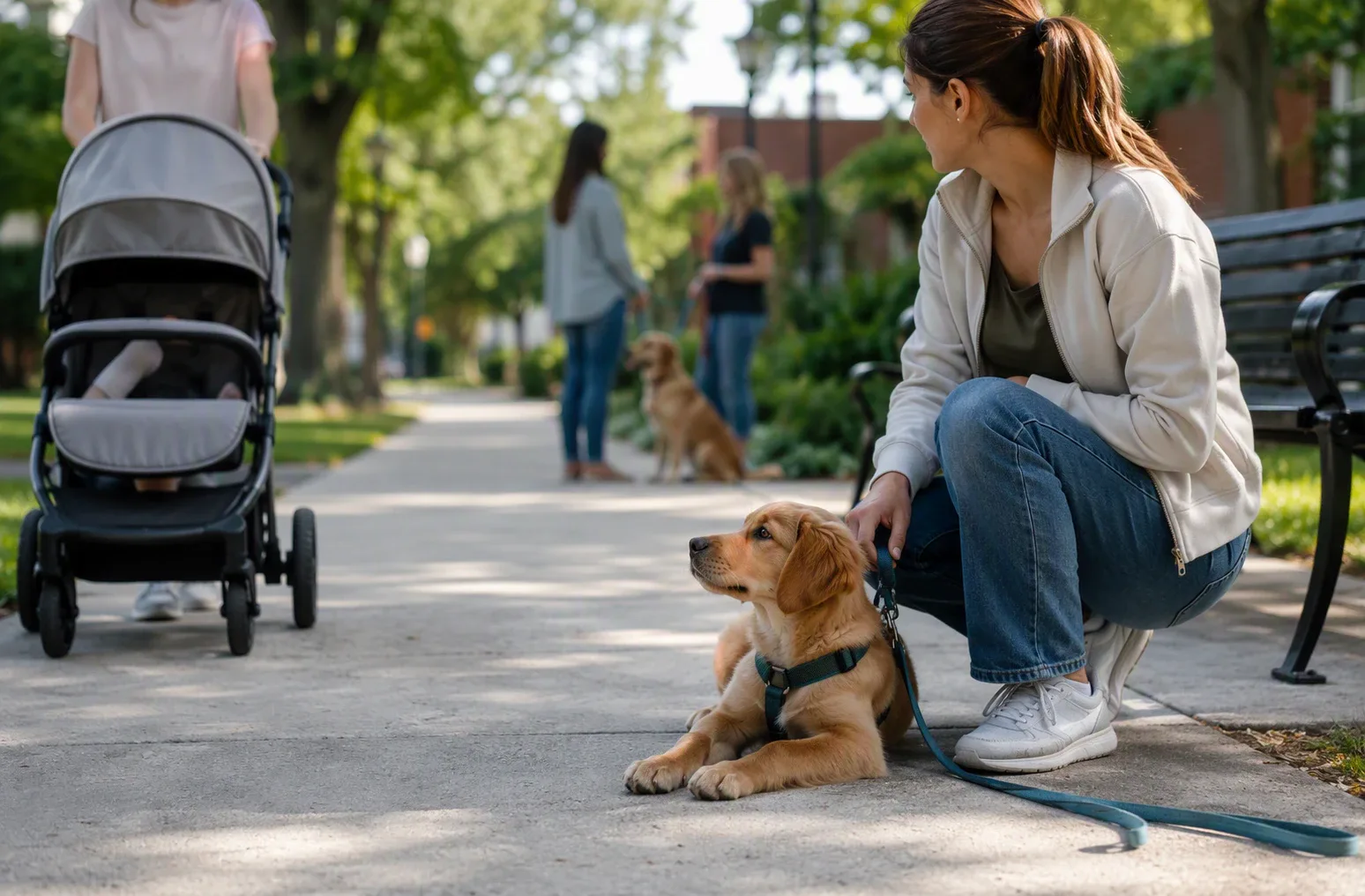
A ready puppy notices something new, then settles instead of spiraling. That bounce-back matters in class, where chairs move, dogs wiggle, and people talk. According to AKC guidance on puppy socialization, positive exposure should stay gradual, not overwhelming.
Highlights
- Helps your puppy handle normal class distractions
- Supports better long-term puppy socialization
Specs
- Best for: Puppies who are curious, not shut down
- What it shows: Good socialization potential
Pros
- Makes group classes less stressful
Cons
- Too much exposure too fast can backfire
It ranks here because puppies who recover fast often learn faster and feel more successful in class.
Last updated: August 4, 2026
Other helpful readiness clues
If your puppy shows these extra signs too, class may fit even better than you think. They are not must-haves, but they make early learning smoother.
- Responds to name at least some of the time – A good sign your puppy can start learning basic communication.
- Can take treats or play when mildly excited – Shows your puppy can still learn with positive rewards.
- Shows manageable puppy energy indoors – Suggests your puppy can settle enough to focus in class.
- Can tolerate gentle handling and brief restraint – Helpful for grooming, vet care, and basic class routines.
How to choose the right puppy class
Use this quick filter before you enroll:
- Match the class to your puppy – age, vaccine status, energy level, and confidence matter more than distance.
- Pick positive reinforcement – your puppy should learn basics in a calm, clear way, not get flooded.
- Look beyond cues – the best classes include social time, handling practice, and owner coaching.
- Ask about class size – shy or overstimulated puppies often do better in small groups or private lessons.
- Check the take-home plan – you need clear prep, realistic behavior notes, and simple homework.
Best overall pick: Hands-On Dog Training stands out because it pairs positive methods with tailored classes and private in-home options, which makes consistency easier for real families.

If your puppy checks these signs, get expert help early with Hands-On Dog Training for positive, stress-free classes or in-home support.
Frequently Asked Questions
Q1: Best training for new puppy owners?
Choose a positive reinforcement class with small groups, clear homework, and trainer support. New owners do best with basic cues, leash skills, calm social time, and help fixing biting, jumping, and potty setbacks early.
Q2: What age should a puppy start classes?
Most puppies can start as soon as your vet says they are healthy enough for a beginner puppy class. Many start around 8 to 16 weeks. Early classes help with confidence, handling, and safe social skills.
Q3: What if my puppy knows sit but still gets wild?
That is normal. Readiness is not perfect behavior. Your puppy should recover fast, take treats, and focus for short bursts. Classes help turn scattered skills into real habits around people, dogs, and distractions.