Loose Leash Walking: Enjoying Stress-Free Walks in Oroville
Hello there, wonderful dog parents of Oroville and Paradise! As Gloria Post of Happy Paws Training, I’m so delighted to connect with you today about one of the most common, yet often frustrating, challenges we face with our furry family members: loose leash walking. We all dream of those idyllic strolls through our beautiful local parks, a comfortable leash connecting us to our well-mannered companion, enjoying the fresh air and community without a tug or a jerk. And guess what? That dream is absolutely achievable!
Here at Happy Paws Training, we believe that training is a partnership – a dance between you and your dog, built on trust, understanding, and positive reinforcement. Our focus is on empowering you with the tools and knowledge to cultivate a beautiful relationship with your canine friend, making every interaction, especially walks, a joyous experience. We’re all about force-free, reward-based methods that strengthen your connection and build lasting, positive behaviors. Let’s dive into how we can turn those stressful walks into serene adventures right here in Oroville!
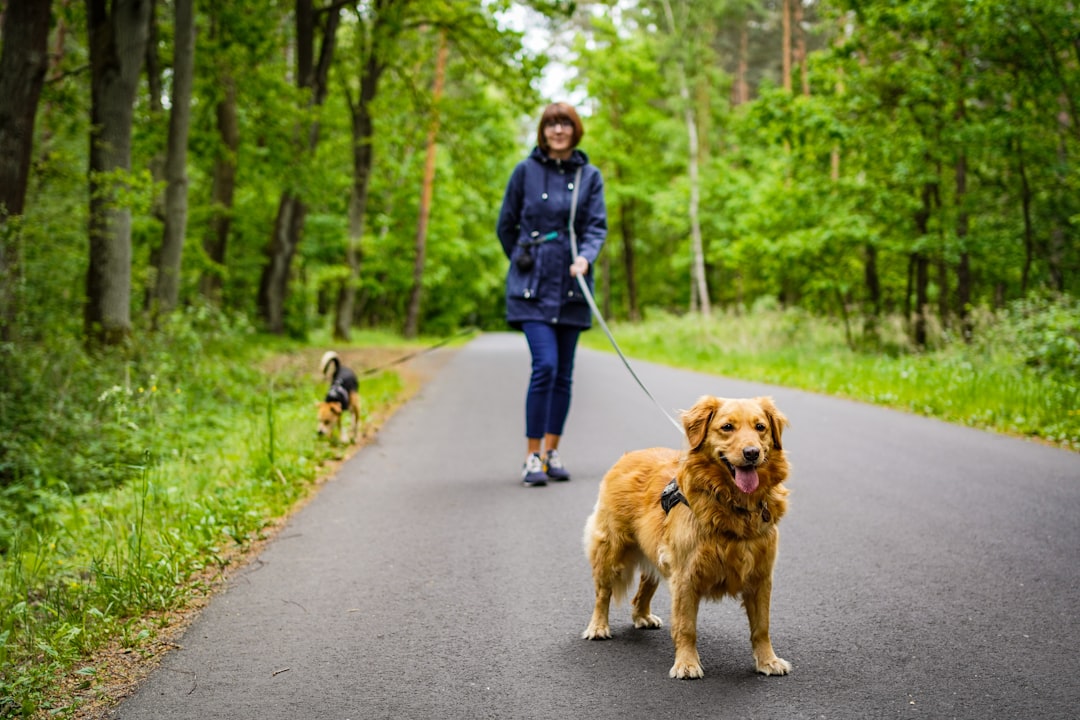
When we talk about “loose leash walking,” what do we really mean? It’s more than just not pulling. It’s about a relaxed, enjoyable experience for both ends of the leash. The RSPCA beautifully defines it as a slack leash with no tension, a clear indicator that your dog is walking calmly beside or slightly ahead of you, without yanking you forward or turning your arm into a pendulum. This isn’t just about obedience; it’s about comfort, safety, and mutual respect.
Why is Loose Leash Walking So Important?
- Safety First: A dog that pulls can easily cause you to lose your balance, especially on uneven terrain in our lovely Oroville parks, or potentially slip out of their collar if they lunge. It’s also safer for your dog, preventing strain on their neck and throat.
- Enjoyment for Everyone: Let’s be honest, a walk with a pulling dog isn’t much fun. When your dog walks nicely, you can both relax, take in the sights and sounds of our community, and truly enjoy the bonding time.
- Strengthening Your Connection: When your dog chooses to walk respectfully beside you, responding to your cues and checking in, it builds confidence in both of you. It shows them they can trust your guidance, and it shows you that your training methods are effective and rewarding.
- Community Courtesy: Well-behaved dogs contribute positively to our community. When we’re walking our dogs calmly through downtown Oroville or enjoying the expansive green spaces, we’re modeling responsible pet ownership and ensuring everyone has a pleasant experience.
For dog owners in Oroville looking to enhance their walking experience, understanding the impact of weather conditions is crucial. An insightful article on handling extreme heat can be found at Hot Weather and Extremely Hot Asphalt. This resource provides valuable tips on how to protect your dog’s paws and ensure safe, enjoyable walks even during the hottest days, complementing the principles of Loose Leash Walking for a stress-free outing.
The Science Behind Happy Hounds: Our Approach to Training
At Happy Paws Training, our methods are firmly rooted in positive reinforcement and force-free principles. This means we focus on rewarding the behaviors we want to see, rather than punishing the behaviors we don’t. Think of it like this: your dog is more likely to repeat an action that earns them something wonderful (a tasty treat, a favorite toy, a moment of praise) than one that results in discomfort or fear.
Harnessing Success: The Right Gear
Before we even begin, let’s talk gear. We highly recommend a well-fitting, front-clip harness for your dog. Both the BC SPCA and other experts emphasize the effectiveness of harnesses in promoting loose-leash walking. Why a front-clip? Because it redirects your dog’s momentum back towards you if they pull, making it physically harder for them to drag you forward, all without any discomfort or pain. This is a crucial first step in setting both you and your dog up for success.
Laying the Foundation: Setting Up for Serene Strolls
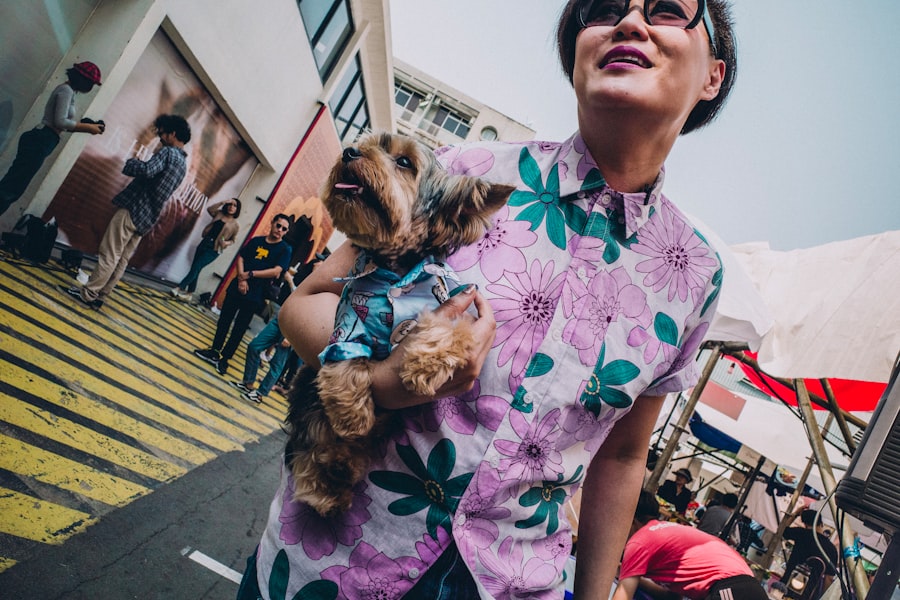
Training isn’t just about walks; it’s about creating a foundation of understanding and communication. We start indoors, in a low-distraction environment, working on basic concepts that translate beautifully to outdoor walks.
Introducing the “Give Into Leash Pressure” Exercise
This exercise, recommended by the BC SPCA, is fantastic for helping your dog understand gentle leash pressure.
- Indoor Start: In a quiet room, gently apply slight pressure to the leash, just enough to feel it.
- Reward the Yield: The instant your dog takes a step into the pressure or even just orients their head towards it, release the pressure and immediately give a high-value treat and praise.
- Repeat & Reinforce: Practice this from various angles. The goal is for your dog to learn that yielding to the leash pressure, rather than resisting it, makes the pressure disappear and earns a reward. This builds a positive association with leash guidance.
Our Step-by-Step Guide to Loose Leash Walking
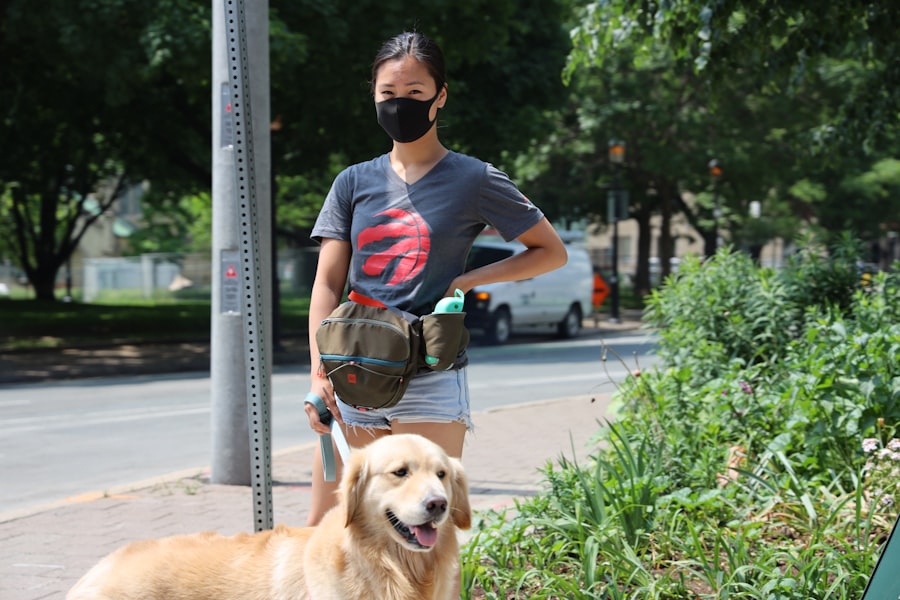
Now, let’s get into the practical training steps we use in our classes and in-home sessions. Remember, consistency and patience are your best friends here!
1. The “U-Turn Phase” and Short Practice Sessions
One of the most effective techniques highlighted by trainers recently is starting with a “U-turn phase.” This is excellent for teaching your dog that pulling doesn’t get them closer to their goal.
- Start Small, Stay Close: Begin in a low-distraction environment, even your backyard or a quiet street. Keep sessions short, 3-5 minutes, to maintain your dog’s focus and enthusiasm.
- The Instant Stop/U-Turn: The very moment you feel tension on the leash – even a slight pull – immediately stop walking. Instead of continuing forward, swiftly and silently change direction by making a U-turn.
- Reward the Slack: As your dog turns with you and the leash goes slack, immediately praise them and offer a high-value treat at your hip, encouraging them to stay beside you.
- Repetition is Key: Practice this back and forth. Your dog quickly learns, “Ah, pulling makes us stop or go the other way, but a loose leash means we keep moving forward and I get yummy treats!” This simple yet powerful exercise teaches them to pay attention to your pace and position.
2. The Stop-on-Pull Method: No Forward Progress for Pullers
The RSPCA’s “stop completely when the dog pulls so pulling no longer moves them forward” method is another cornerstone of loose leash training. It’s elegantly simple and incredibly effective as it removes the reinforcement your dog gets from pulling (i.e., getting to where they want to go).
- The Moment of Tension: The instant you feel your dog pull, come to a complete, statuesque stop. Become a tree! Do not move a muscle.
- Wait for Slack: Wait until the leash goes completely slack. This might mean your dog looks back at you, or shifts their weight. The moment there’s no tension, take a step forward.
- Reward: If they start to pull again, stop immediately. When the leash is slack as you step forward, reward with enthusiastic praise and a treat delivered beside your leg.
- Consistency Matters: This requires consistency. Every single time your dog pulls, you stop. They will quickly learn that pulling literally gets them nowhere.
3. Direction Changes and “Go Sniff” Opportunities
Golden Retriever Rescue of Mid Florida recommends switching directions and incorporating “go sniff” – two fantastic strategies for engaging your dog and making walks more enriching.
- Unexpected Turns: Instead of just U-turns, make frequent, random turns – left, right, even circles. This keeps your dog engaged and watching you, because they don’t know which way you’ll go next. Reward them for staying with you on the turn.
- The Power of “Go Sniff!”: While we want structured walking, we also want our dogs to be dogs! Designate specific moments for sniffing. When you want to allow your dog to explore, give them a clear cue like “Go sniff!” and allow them to pull (within reason, and attached to a harness) to investigate an interesting scent. After a short period, call them back to your side with your loose-leash cue and reward them. This teaches them that sniffing is a reward from you, not something they get by dragging you.
4. Structured Walk Cues and Short Practice Sessions
As River Landings Animal Clinic suggests, using structured cues and short sessions are key.
- A Consistent Cue: Choose a verbal cue for loose leash walking, something like “Let’s walk!” or “Heel!” or even just “Walk!” Say it pleasantly and clearly before you start moving.
- Micro-Walks: Begin with very short distances. Walk 10 steps, reward your dog for a loose leash, then stop. Reset, and repeat. Gradually increase the distance as your dog shows more consistency.
- High-Value Rewards: Use soft, pea-sized, enticing treats that your dog absolutely loves. The better the reward, the more motivated your dog will be to perform the desired behavior. Keep them readily accessible!
For dog owners looking to enhance their walking experience, understanding the potential dangers that can arise during outdoor activities is crucial. One such concern is the presence of xylitol, a common sweetener that is highly toxic to dogs. To learn more about this serious issue and how to keep your furry friend safe, you can read an informative article on the topic here. By being aware of these risks, you can enjoy stress-free walks in Oroville while ensuring your pet’s health and safety.
Common Challenges and How We Tackle Them
| Metrics | Results |
|---|---|
| Number of dogs trained | 50 |
| Success rate | 90% |
| Average time to see improvement | 2 weeks |
| Client satisfaction rate | 95% |
Even with the best techniques, challenges can arise. That’s perfectly normal! We’re here to help you navigate them.
Distractions, Distractions, Distractions!
Oroville is a wonderful place, but it’s full of exciting smells, squirrels, and other dogs!
- Manage the Environment: Start training in quieter areas, then gradually introduce distractions. Don’t expect your dog to walk perfectly past a barking dog on day one.
- Increase Reward Value: When distractions are high, your treats need to be even higher value! Think cooked chicken, cheese, or hot dogs.
- “Watch Me!”: Teach a “watch me” cue. This means your dog makes eye contact with you. Practice it frequently in low-distraction areas. When a distraction appears, use your “watch me” cue, reward heavily for eye contact, and then calmly continue walking.
Lunging and Reactivity
If your dog barks, growls, or lunges at other dogs or people, this is a separate and more complex issue that requires a specialized approach.
- Avoid the Triggers: For now, the most important thing is to avoid putting your dog in situations where they react. Use distance, change direction, or walk at different times.
- Professional Help: This is where our in-home training can be particularly helpful. We can work with you to understand the root cause of the reactivity and develop a personalized, humane plan to help your dog feel more comfortable and confident in these situations. It’s all about teaching them alternative, positive responses.
Bringing It All Together in Our Community
Imagine strolling through Bedrock Park, enjoying the sounds of the Feather River, with your dog walking happily by your side. Or exploring the trails of Paradise with confidence, knowing you have a well-behaved companion. This isn’t just a fantasy; it’s the reality we help our clients achieve.
Remember, training is a journey, not a destination. There will be good days and challenging days. The key is to celebrate the small victories, stay consistent, and always approach training with kindness and understanding. We are building a relationship, strengthening that incredible connection between you and your beloved pet.
If you’re ready to transform your walks from a chore into a joy, we invite you to explore our group classes right here in Oroville, or schedule an in-home training session for a more personalized approach. We are passionate about empowering you and your dog to live your best lives together, contributing to a community where all dogs are happy, well-mannered, and cherished members of our families.
You’ve got this! We’re here to help you every step of the way.
FAQs
What is loose leash walking?
Loose leash walking is a training technique that teaches a dog to walk calmly and politely on a leash without pulling or lunging. It involves teaching the dog to pay attention to their owner and to walk at a consistent pace without tension on the leash.
Why is loose leash walking important?
Loose leash walking is important for several reasons. It promotes a safe and enjoyable walking experience for both the dog and the owner. It also helps to prevent injuries to both the dog and the owner that can occur from pulling on the leash. Additionally, loose leash walking can improve the bond between the dog and the owner.
How can I train my dog to walk on a loose leash?
Training a dog to walk on a loose leash involves consistent practice and positive reinforcement. Techniques such as using treats, praise, and gentle corrections can be effective. It’s important to start training in a low-distraction environment and gradually increase the level of distractions as the dog becomes more proficient.
What are some common mistakes to avoid when training for loose leash walking?
Some common mistakes to avoid when training for loose leash walking include using harsh or punitive methods, allowing the dog to pull on the leash without consequence, and expecting too much too soon. It’s important to be patient and consistent with the training process.
Where can I find resources for loose leash walking training in Oroville?
There are several resources available in Oroville for loose leash walking training, including local dog trainers, obedience classes, and online resources. Additionally, pet stores and veterinary clinics may offer recommendations for training resources in the area.