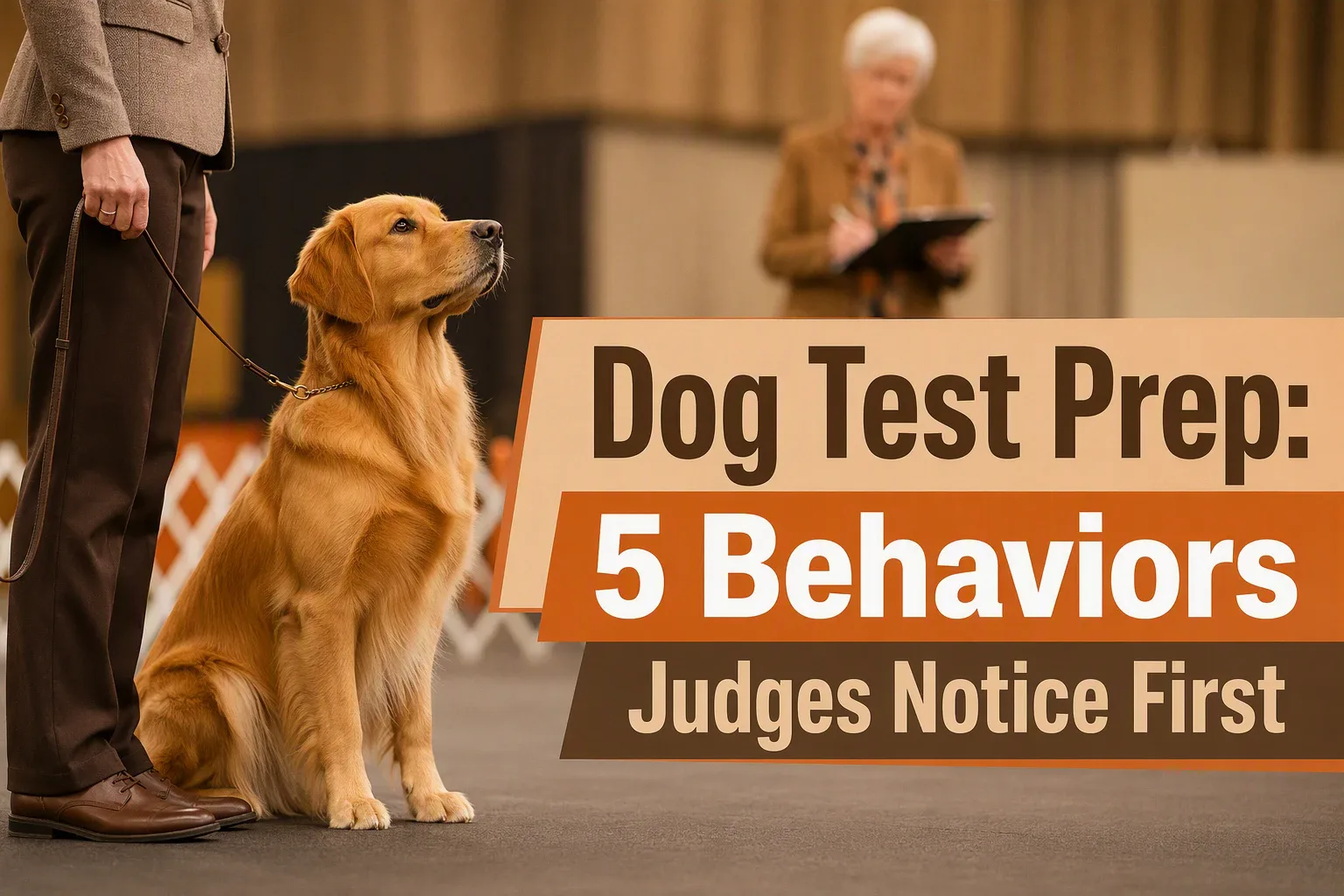
Dog Test Prep: 5 Behaviors Judges Notice First
Quick Summary: Judges notice a dog’s first impression through behaviors like calm stranger greetings, polite petting, cooperative grooming, loose leash walking, and handling. Training these skills under pressure helps dogs succeed in the Canine Good Citizen test, with Hands-On Dog Training offering focused, positive practice. The key is to address the behaviors most likely to falter in real-life situations, not just at home.
If your dog looks perfect at home but gets wiggly when a stranger steps in, you already see why first impressions matter in dog test prep. Many dogs know the basics, yet still slip on calm greetings, handling, leash work, and distractions. This dog test prep guide ranks the five behaviors judges notice first. It also shows how to practice them like test day. Our dog test prep picks come from CGC test structure, evaluator focus, and local trainer advice.
Quick Comparison
| Behavior | Best for | What judges notice | Training focus | Common mistake |
|---|---|---|---|---|
| Accepting a Friendly Stranger | Dogs that get excited, shy, or suspicious around new people | Calm greeting behavior and neutral body language | Stationing, attention, and stranger approach practice | Allowing jumping, backing away, or over-familiar greetings |
| Sitting Politely for Petting | Dogs that leap, spin, or wiggle when people pet them | Stable sit, soft mouth, and relaxed acceptance of touch | Duration sits and calm handling by unfamiliar people | Bracing, inching away, or popping up before the petting ends |
| Appearance and Grooming | Dogs that dislike brushing, paw handling, or ear checks | Willingness to be examined without fear or fuss | Cooperative care, body handling, and calm reset cues | Only practicing touch when the dog is already excited |
| Out for a Walk (Walking on a Loose Lead) | Dogs that pull, forge ahead, or zigzag on leash | Slack leash, tidy turns, and handler focus | Pattern walking, reward placement, and pace changes | Practicing only in quiet places and never adding distraction |
What to know about CGC dog test prep
The Canine Good Citizen test checks real-life manners, not fancy tricks. Judges want to see a dog that can stay calm, respond to the handler, and move through simple tasks without falling apart.
That matters because many dogs do fine at home, then struggle when a stranger steps in, the leash gets tight, or the setting feels busy. Good CGC dog test prep helps your dog repeat known skills under pressure, which is what judges notice first.
1. Accepting a Friendly Stranger
This is the first thing a judge feels. In the AKC CGC test item, the evaluator approaches and greets you while ignoring your dog, so your dog must stay neutral, not thrilled or worried.

Highlights
- Relaxed body language matters more than flashy obedience.
- Practice calm stranger approaches with watch-me style focus work.
- Common mistakes: jumping, backing away, or crowding the evaluator.
Specs
- Best for: Dogs that get excited, shy, or suspicious around new people
- What judges notice: Calm greeting behavior and neutral body language
- Training focus: Stationing, attention, and stranger approach practice
Pros
- Creates a strong first impression
- Builds confidence around strangers
Cons
- Excitement can spike fast
- Shy dogs may need slow exposure
It ranks first because judges see it almost instantly.
Last updated: August 1, 2026
Also Read: https://handsondogtraining.com/the-akc-canine-good-citizen-is-your-dog-ready
2. Sitting Politely for Petting
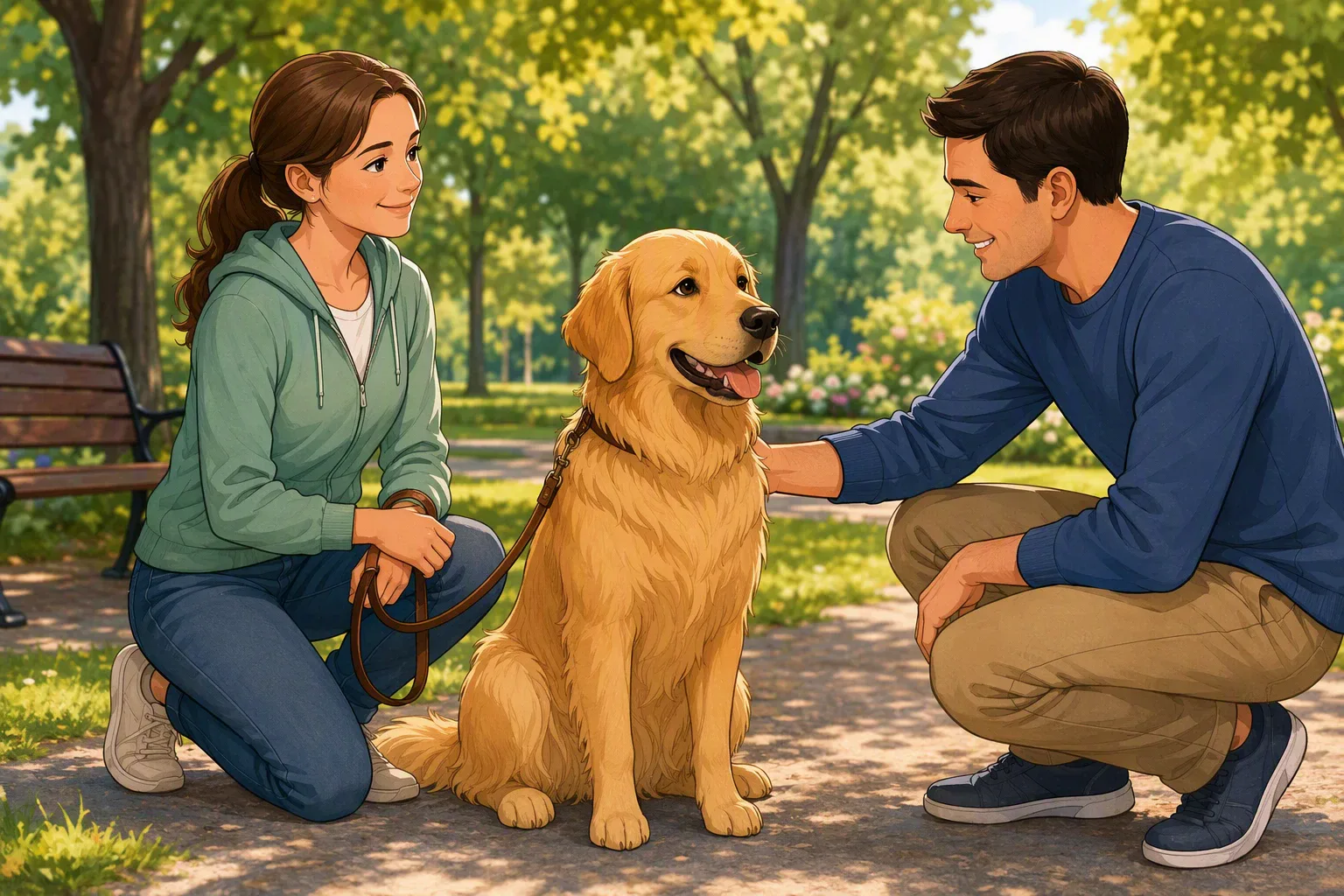
Judges spot this fast. In CGC Test Item 2, your dog should stay calm while a stranger pets the head and body, showing no shyness or resentment.
Highlights
- Helps dogs that jump on visitors
- Builds calm acceptance of friendly touch
Specs
- Best for: Dogs that leap, spin, or wiggle for attention
- What judges notice: Stable sit, soft mouth, relaxed body
- Training focus: Duration sits and gradual petting practice with unfamiliar people
Pros
- Supports polite greetings
Cons
- Social dogs can pop up too soon
It ranks here because it shows right away whether attention makes your dog settle or escalate.
Last updated: August 1, 2026
Also Read: https://handsondogtraining.com/deepening-the-bond-the-power-of-positive-reinforcement
3. Appearance and Grooming
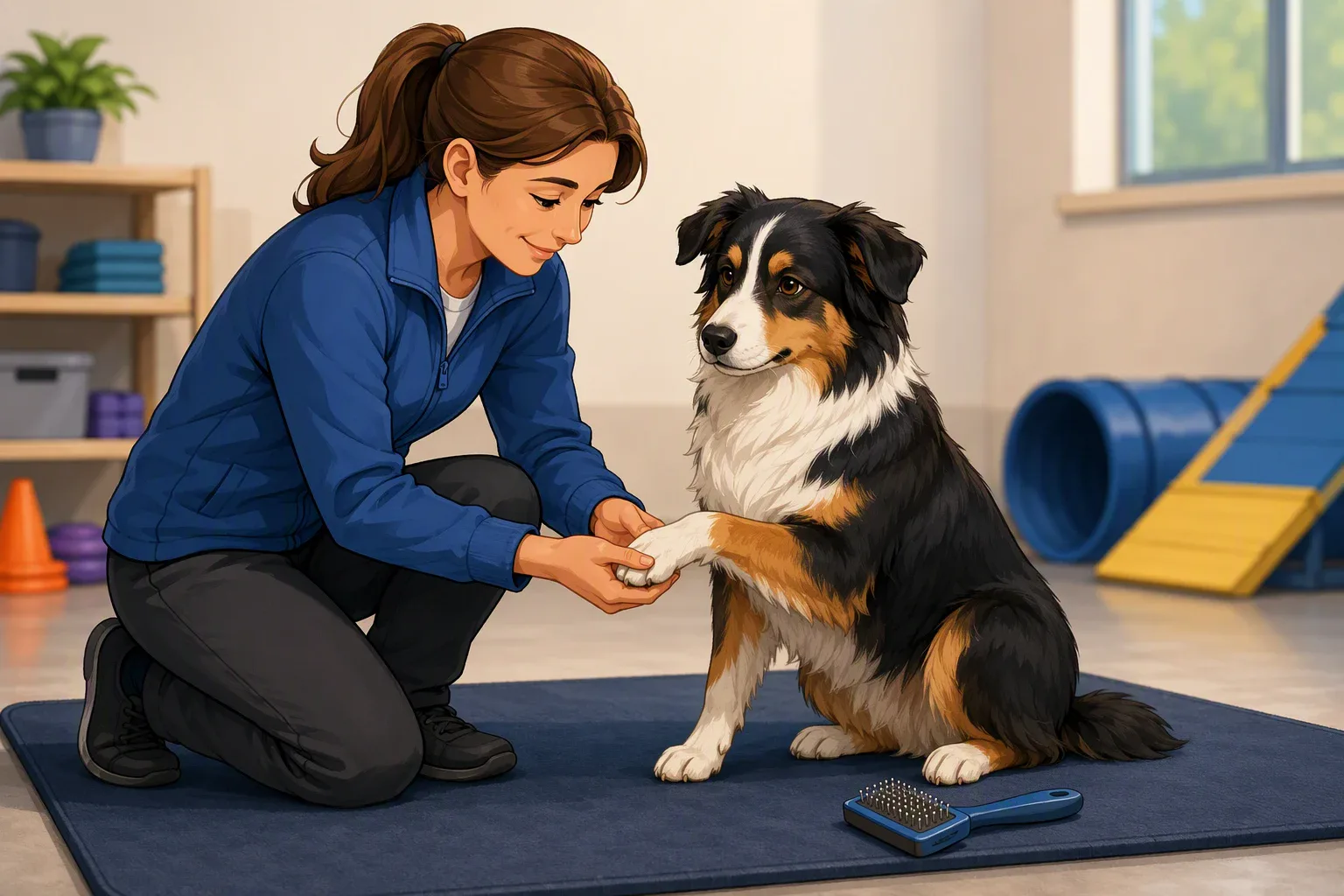
This handling check shows how cooperative your dog really is. In the CGC grooming test, judges want a dog that accepts brushing, ear checks, and front paw handling without fear or fuss, as outlined in the AKC CGC test items and AKC home training guide.
Highlights
- Great preview of stranger handling, vet care, and grooming tolerance.
Specs
- What judges notice: Willingness to be examined without fear or fuss
Pros
- Builds real-life handling confidence
Cons
- Some dogs need slow desensitization
It ranks here because this early check shapes the judge’s first impression fast.
Last updated: August 1, 2026
Also Read: https://handsondogtraining.com/loose-leash-walking-enjoying-stress-free-walks-in-oroville
4. Out for a Walk (Walking on a Loose Lead)
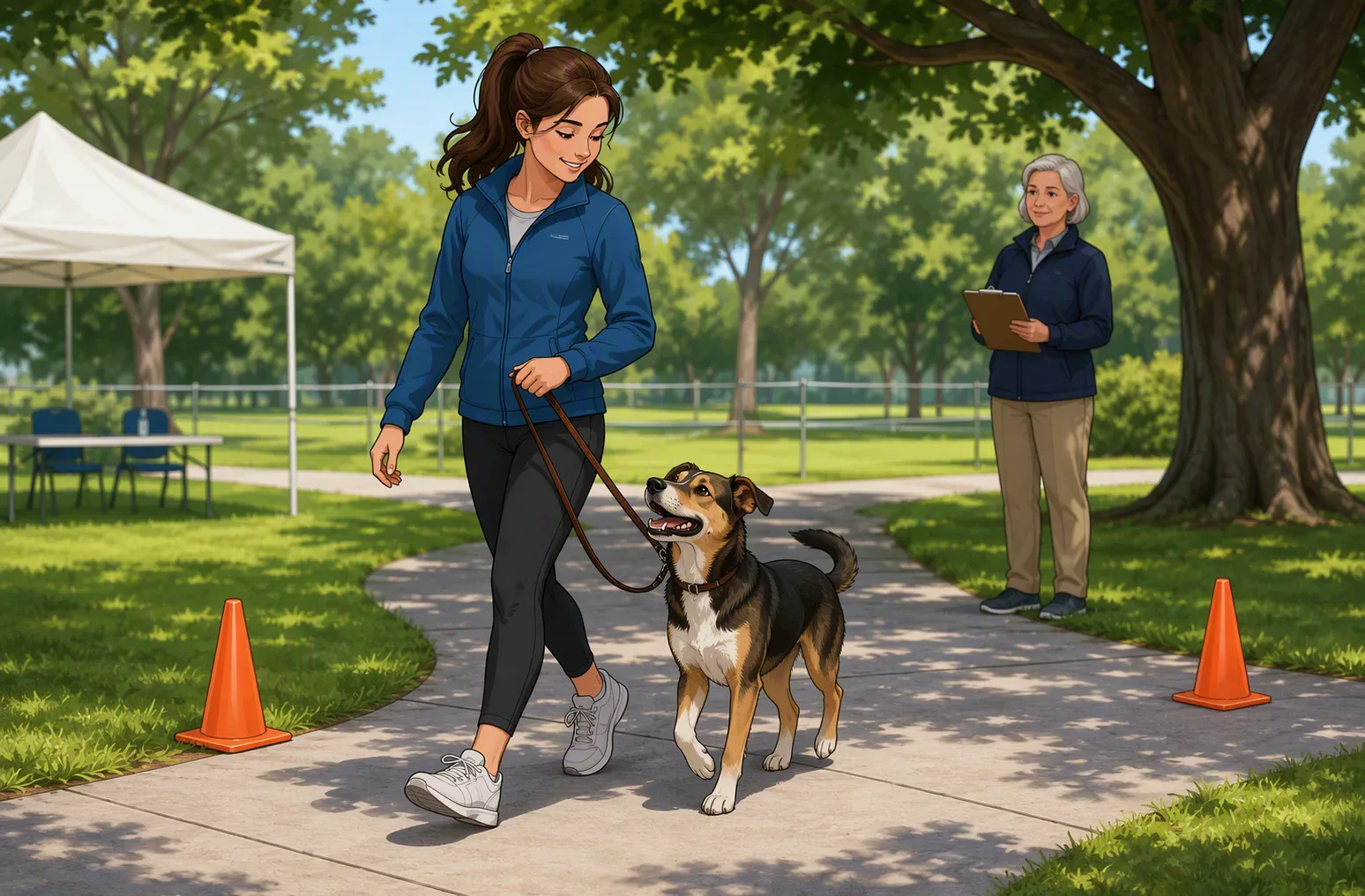
This is where judges read your teamwork fast. In the AKC CGC test item, they look for a dog that follows your turns on a mostly slack leash and stays with you instead of dragging ahead.
Highlights
- Major proofing skill for CGC and daily walks
- Builds focus, body awareness, and handler engagement
Specs
- Best for: Dogs that pull, forge, or zigzag
- What judges notice: Slack leash, tidy turns, handler focus
- Training focus: Pattern walking, reward placement, pace changes
Practice in busier places too. The CGC has 10 real-life manners skills, not just quiet-room obedience.
Last updated: August 1, 2026
Honourable Mentions
A few close-call behaviors still catch a judge’s eye early. They may not headline the list, but they shape first impressions fast.
- Walking Through a Crowd – The first true public-proof moment in the early part of the test.
How to choose the right dog test prep focus
Pick the skill your dog is most likely to lose under pressure. That is your starting point.
- People issues first – If your dog gets shy, jumpy, or too excited, start with stranger greetings and calm petting.
- Public stress first – If walks fall apart outside, focus on loose-leash walking and working near people.
- Touch matters – If your dog pulls away from hands, add brief grooming-style handling every day.
- Build slowly – Practice short reps, then add distance, duration, and distraction one step at a time.
- Choose test-like coaching – Hands-On Dog Training is the best fit here because it uses positive, local, real-life prep instead of generic obedience drills.
Need calmer leash work, cleaner greetings, and better test-day focus? Hands-On Dog Training helps Chico and Oroville dog owners practice the exact behaviors judges notice first with positive, local coaching.
Frequently Asked Questions
Q1: Best CGC prep alternatives in Chico?
Hands-On Dog Training is a strong fit if you want positive reinforcement and local support. You can also compare class style, test focus, and owner coaching with The Canine Connection, LLC, Sierra Canine, and Ridgeside K9 NorCal.
Q2: How long should I practice CGC skills each day?
Keep sessions short and clean. Aim for 5 to 10 minutes, two or three times daily. Stop before your dog gets sloppy. Practice greetings, leash walking, stays, and calm handling in different places.
Q3: What behavior do judges notice fastest?
Most judges spot handler focus, leash tension, and how your dog handles a stranger right away. They also notice recovery after distraction. A dog does not need to look perfect, but it must stay calm and responsive.
Q4: Can a friendly dog still fail the test?
Yes. Friendly is not enough. Dogs can fail for jumping, pulling, mouthing, barking, or breaking position during simple tasks. Judges want polite control, not just a social dog who means well.