

Dog Training Collar Market Surges as Smart Tech Gains Ground
Quick Summary: The dog training collar market is expanding with new smart collars like Fi Ultra, which now include satellite tracking via Starlink for better coverage in dead zones. These collars switch between GPS, LTE, and satellite signals, but battery life drops to around two days with constant satellite use. The main benefit is for owners who hike or live in rural areas, while urban owners may prefer longer battery life. Overall, this shift enhances safety and coverage but requires trade-offs in battery longevity.
Fi says its new Fi Ultra is the first consumer tracker using T-Satellite with Starlink, a July 8, 2026 claim echoed by Business Wire, Fortune, and PCMag. That matters because LTE trackers can go blind off-grid. This piece looks at how Dog Collar Technology is changing, where Smart Dog Collars fit, and whether this leap in Dog Collar Technology really helps active dogs more than older Dog Training Devices.
Fi Ultra Brings Satellite Coverage to Dog Collar Tracking
Fi says the Ultra changes Dog Collar Technology by adding T-Satellite with Starlink, plus dual-band GPS, LTE, Wi-Fi, and Bluetooth in one tracker. In Fi’s launch details, the company says it automatically switches to satellite when cell coverage drops and can track dogs nearly anywhere in the U.S. Fi’s announcement. It also adds sound-and-vibration recall, not shock.

In real use, the idea is simple:
- GPS finds your dog’s location.
- LTE sends it when towers are nearby.
- Satellite takes over in dead zones.
Early hands-on testing from The Verge found updates came every 2 to 3 minutes on satellite, with some reconnect delays close to 5 minutes.
Big takeaway: this is better Dog Collar Technology for hikers and rural owners, but it is not instant rescue-grade tracking.
Also Read: https://handsondogtraining.com/loose-leash-walking-enjoying-stress-free-walks-in-oroville
The Features Owners Will Care About Most
The real tradeoff is simple: more coverage usually means more charging. PCMag reports Fi Ultra adds satellite backup in cell dead zones, but battery life drops to about 2 days, while older Fi collars can last weeks in lighter-use modes according to PCMag.
-
Battery Life Versus Always-On Connectivity
- Pick always-on tracking if you hike, camp, or live rural.
- Pick longer battery life if your dog mostly stays near home.
-
Training and Recall Tools Built In
- Fi Ultra adds sound and vibration recall, not shock.
- That works best as a backup, not your full training plan.
A smart collar can help recall, but it should not replace solid leash work and reward-based practice.
| Cost area | What to expect |
|---|---|
| Hardware | Fi Ultra starts at $199 |
| Membership | Annual plan is $189 |
| Best fit | Owners who need off-grid peace of mind |
- Price and Membership Costs
- Fortune says Fi expects to cross $100 million ARR as it expands, which shows demand is rising for premium pet wearables per Fortune.
Also Read: https://handsondogtraining.com/the-akc-canine-good-citizen-is-your-dog-ready
Why This Launch Matters for the Smart Collar Market
What the Market Data Shows
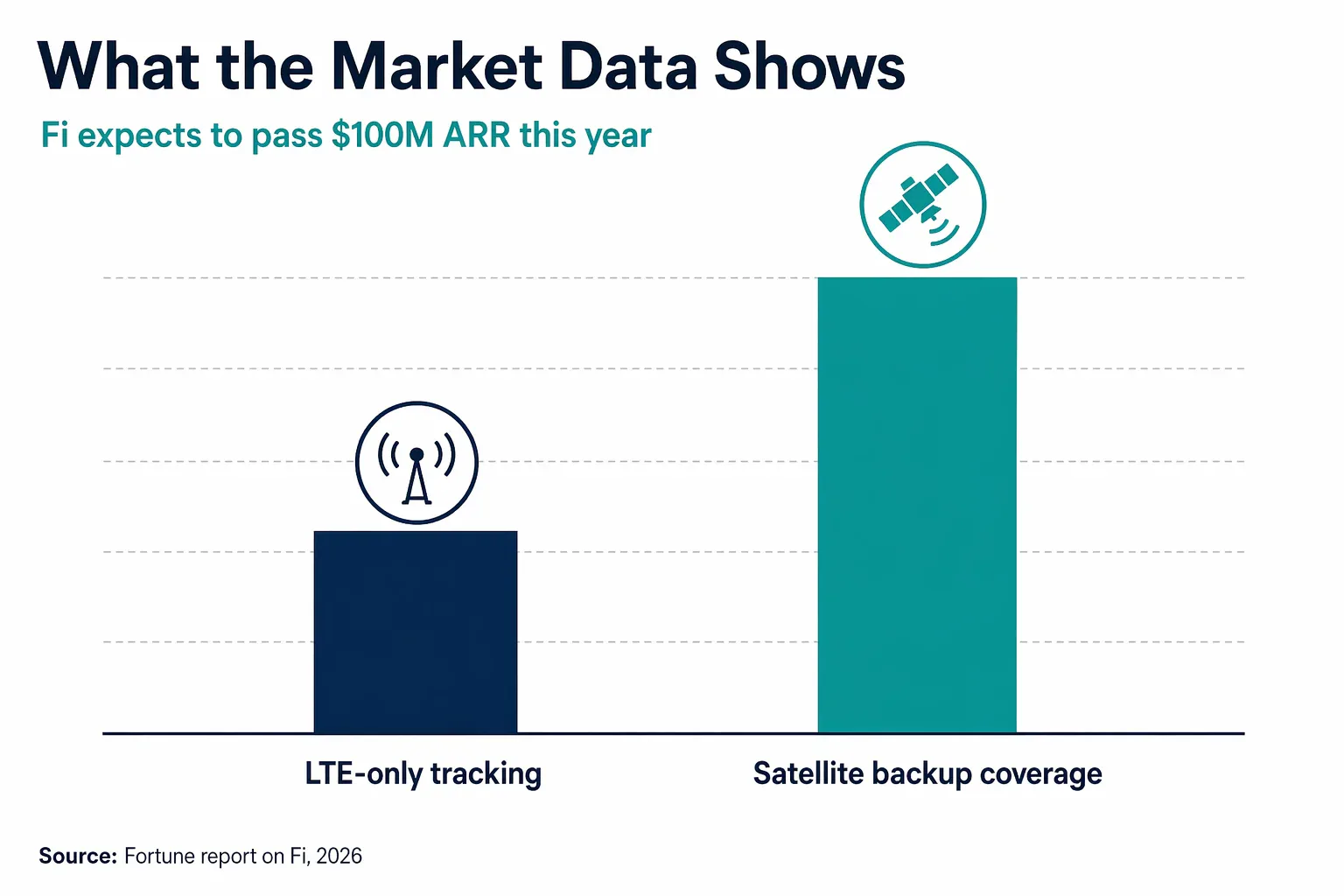
This launch matters because it shifts the market’s weak spot from tracking to coverage. Fi says it expects to pass $100 million in annual recurring revenue this year, a sign that pet wearables are moving past niche status, according to Fortune’s report on Fi.
How Smart Collars Evolved
Older smart collars focused on GPS, steps, sleep, and geofencing. Fi Ultra changes the pitch: it is built to keep working when LTE drops. The Verge found the tracker could switch to satellite in dead zones and still update location every two to three minutes in testing, per The Verge hands-on.
The Competitive Pressure Behind the Move
Brands now have to answer one buyer question: What happens when my dog leaves cell range? That pushes the whole category toward better safety, not just better app features.
Also Read: https://handsondogtraining.com/deepening-the-bond-the-power-of-positive-reinforcement
What Dog Owners Should Look For Next
Who Benefits Most From Satellite Tracking
Satellite tracking fits dogs that leave cell coverage fast. Think hikers, hunters, rural owners, camping families, and escape artists with big range. The new Fi Ultra switches to satellite when LTE drops, which helps in U.S. dead zones, according to The Verge’s early test.
If your dog stays in town, you may not need satellite. Better battery life could matter more.
Questions to Ask Before Buying
Ask these before you buy:
- Where does my dog roam most?
- How often will I charge it?
- Is the tracker too big for my dog?
- Do I need live updates or basic location history?
A smart buy weighs cost, fit, and battery. PCMag notes Fi Ultra has a required annual plan and about 2-plus days of battery life in this class of tracker for 2026 buyers.

Need help choosing smart collar tech and building real leash skills? Hands-On Dog Training helps Chico and Oroville owners train with calm, positive methods.
Frequently Asked Questions
Q1: What are the most effective features of smart dog collars for pet owners?
GPS tracking, escape alerts, activity logs, and durable battery life matter most. Pet owners also want clear app controls, strong fit, and reliable coverage where they walk, hike, or train.
Q2: How do IoT-enabled dog collars improve pet safety and health monitoring?
These collars send real-time location updates, flag wandering fast, and track sleep, steps, and rest. That helps owners spot behavior changes early and react quicker if a dog gets lost or stressed.
Q3: What is the current market size and growth forecast for the dog training collar industry?
The market is growing as buyers shift from basic correction tools to smart safety and tracking collars. Growth looks strong through 2030, driven by connected pet tech, subscription services, and demand for better outdoor coverage.
Conclusion
Fi Ultra matters because it shifts smart collars from tower-only tracking to satellite-backed safety in U.S. dead zones, as The Verge reports. The real buying question now is simple: battery life or wider coverage.


