
AKC Dog Certification: What CGC Prep Includes Now
Quick Summary: AKC dog certification prep now emphasizes real-life handling, calm focus, and practicing all 10 test skills, including polite greetings and distractions. The best approach is an AKC club CGC class for most dogs, but private training is better for reactive or shy dogs. Owners should focus on fixing weak spots rather than drilling the entire test and choose classes based on their dog’s specific needs and skill gaps.
If your puppy lunges at every stranger, the real question is simple: which class will prepare you for the CGC test, not just fill an hour each week? This guide helps you choose the right path for AKC dog certification fast. It breaks down what CGC prep includes now, which class type fits your dog, and where owners waste time. I’ll keep the focus on real AKC dog certification decisions, not vague AKC dog certification basics.
The Most Recommended CGC Prep Class for Most Dogs
For most dogs, an AKC club CGC prep class is the safest pick. AKC says local clubs offer both training and testing, and their sample CGC course is built as an 8-week class with weekly homework and all 10 test skills covered (AKC CGC curriculum sample). That setup helps new owners stay on track.
Why AKC club classes usually win
- Clear CGC focus
- Built-in practice around other dogs and people
- Easier path to an approved evaluator
| Class type | Best for | Main drawback |
|---|---|---|
| AKC club CGC class | Most social, healthy dogs | Less flexible schedule |
| Basic obedience class | Budget-first owners | May not cover all CGC items |
| Private training | Sensitive or reactive dogs | Higher cost |
If your dog can work in a group, start here first.
When a private trainer is the better pick
Choose private help if your dog shuts down, overreacts, or cannot work near dogs yet. AKC notes you can prep through a private trainer or CGC evaluator too (AKC test guide). Hands-On Dog Training fits this path well for owners who need calm, local, positive coaching at home before joining a group.
Also Read: https://handsondogtraining.com/blog
What Modern CGC Prep Includes Now
Modern CGC prep stays close to the official 10 test items, but good classes now spend more time on real-life handling, calm focus, and short practice reps in busier settings, based on the AKC CGC test items.
- Handling, greetings, and polite petting
Prep now covers stranger approach, calm sits for petting, and light body handling. Many classes also add brush, ear, and paw practice so grooming and exam-style touch feel normal. That matters because CGC checks both polite greeting behavior and comfort with basic handling.

- Leash skills, crowd work, and recall
Expect loose-leash walking with turns, stops, and attention to handler. Strong prep also adds passing people, moving through small groups, and working near another dog without lunging or over-greeting. Recall practice stays simple but specific – usually from a short distance, with the dog coming straight in.
Good prep should look like daily life, not a perfect obedience drill.
- Stays, distractions, and alone-time practice
Modern classes also rehearse sit, down, stay, surprise noises, and brief supervised separation. The AKC notes the CGC includes two distractions and a three-minute separation in the official test flow, as shown in its participant guide summary.
Also Read: https://handsondogtraining.com/resources
How to Choose the Right Class for Your Dog
- Questions to ask before you enroll
- Does the class teach the 10 CGC skills and offer a test or evaluator referral? AKC says some clubs teach CGC in a named CGC class, while others cover it in basic obedience (AKC class options).
- How many dogs are in class?
- Can you watch a session first?
- Does the trainer use positive reinforcement?
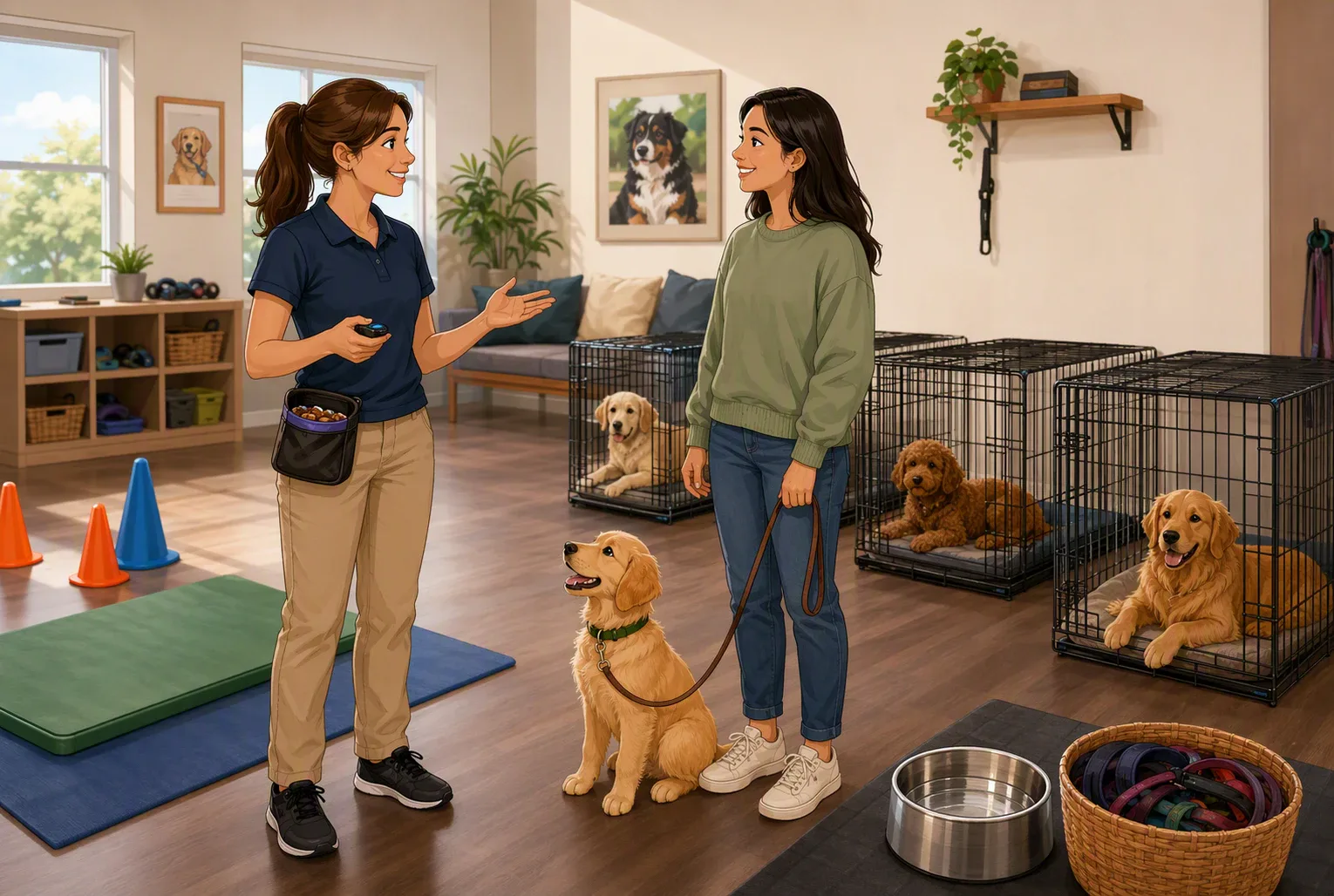
Pick the class that matches your dog’s current skill level, not your ideal timeline.
- What puppy parents should prioritize
- Start with AKC S.T.A.R. Puppy if your dog is young. AKC calls it an excellent first in-person class and a lead-in to CGC (AKC S.T.A.R. Puppy).
- Prioritize handling, calm focus, short leash work, and safe social time.
- If your puppy gets overwhelmed fast, private help may save time.
Also Read: https://handsondogtraining.com/classes
What to Do If Your Dog Still Isn’t Ready
Slow down the skill that breaks first
Do not keep drilling the full test. Fix the first weak spot and rebuild from there. The AKC says CGC includes 10 separate skills, from loose-leash walking to distractions and supervised separation CGC test items.
- Lower the difficulty
- Add distance from triggers
- Reward sooner
- End on one clean rep
If your dog falls apart in crowds, train the crowd skill, not the whole CGC run.

Need CGC prep that fits your dog? Hands-On Dog Training helps Chico and Oroville owners choose classes, fix weak spots, and practice calmly with positive reinforcement.
Frequently Asked Questions
Q1: What CGC prep class is most recommended?
A focused CGC prep class is the best pick if your dog already knows basic cues. It saves time and practices the exact test skills, like polite greetings, loose-leash walking, supervised separation, and calm behavior around distractions.
Q2: Can a basic obedience class be enough?
Yes, if it covers leash manners, stays, recalls, handling, and stranger greetings. If not, add private sessions or a short CGC-specific class.
Q3: When should I choose private training instead?
Pick private training if your dog is shy, reactive, overexcited, or distracted in groups. Hands-On Dog Training can help when you need home-based practice and custom coaching.
Conclusion
The best CGC prep builds the full 10 AKC test skills, not just basic cues. Pick the class that matches your dog’s real gaps, since AKC notes dogs can train through clubs, private trainers, or home practice before the official test.