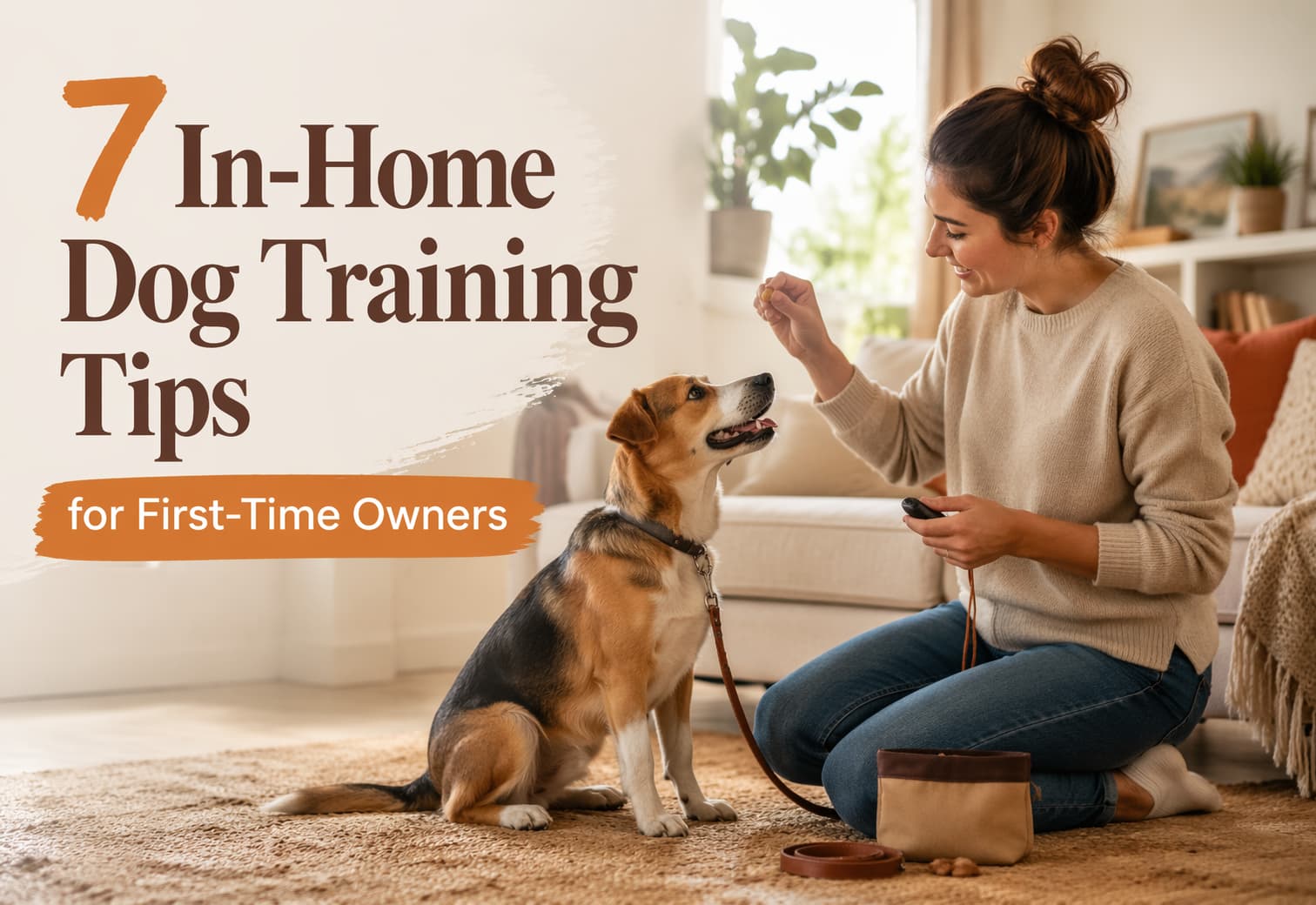
7 In-Home Dog Training Tips for First-Time Owners
Quick Summary: Start training in a quiet space to help your dog focus, then keep sessions short and positive. Use a crate early for calmness and house training, and manage your home with gates and supervision to prevent bad habits. Stick to one tip at a time to build routines and reduce stress for both of you.
Your first weeks with a dog are usually won or lost at home, where most habits start. New owners often tackle jumping, barking, potty accidents, and leash chaos before setting up the house, so training feels messy and tiring. These Dog Training Tips give you a clear order: build structure, reward good choices, use the crate right, and shape daily habits. We picked Dog Training Tips for In-Home Dog Training and Dog Behavior Training that are simple, positive, and easy for beginners.
Quick Comparison
| Tip | Best for | Main focus | Time to start | Trainer help level |
|---|---|---|---|---|
| Set up a low-distraction training space | Creating focus for puppies and new dogs | Environment setup | Day one | Low |
| Use short, reward-based sessions | Busy owners and puppies with short attention spans | Session length and reinforcement | Immediately | Low |
| Build a crate routine early | House training and calm downtime | Crate conditioning | First week at home | Medium |
| Teach house rules with management first | Preventing chewing, jumping, and accidents | Household management | Day one | Low |
What to know about in-home dog training
In-home dog training works because your dog learns where daily problems actually happen. That includes potty breaks, crate time, jumping at the door, barking, and settling down after play.
For first-time owners, home training keeps cues clear and routines simple. You practice the same rules every day, so your dog builds habits faster and you stay more consistent.
Small, repeated sessions at home usually beat long, random training bursts.
1. Set up a low-distraction training space
Pick one quiet spot where your dog can focus. A calm room helps new dogs learn faster because training should start with few distractions, then build slowly as they improve.
Highlights
- Use the same mat, leash, and treats each session.
- Stay away from doors, windows, and noisy appliances.
- Start with easy wins like sit or name response, since consistency and environment setup matter.
Specs
- Best for: Puppies and new dogs
- Time to start: Day one
- Trainer help level: Low
Pros
- Cuts distractions fast
- Makes early success more likely
Cons
- You must move to harder rooms later
This ranks first because focus comes before every other dog behavior training step.
Last updated: July 12, 2026
2. Use short, reward-based sessions
Keep lessons brief, upbeat, and easy to repeat. Dogs learn better in small chunks, and first-time owners usually do too. Aim for 5 to 10 minutes, which matches AKC guidance on puppy training sessions, and use high-value rewards in positive reinforcement training.

Highlights
- Use high-value treats for early wins.
- End before your dog gets bored.
- Repeat a cue only after success.
Specs
- Best for: Busy owners and puppies with short attention spans
- Main focus: Session length and reinforcement
- Time to start: Immediately
- Trainer help level: Low
Pros
- Prevents overwhelm
- Improves timing and repetition
- Keeps training fun
Cons
- Requires daily follow-through
- Progress can feel slower if you expect long drills
Short, positive sessions rank here because they build momentum fast and cut frustration for both of you.
Last updated: July 12, 2026
3. Build a crate routine early
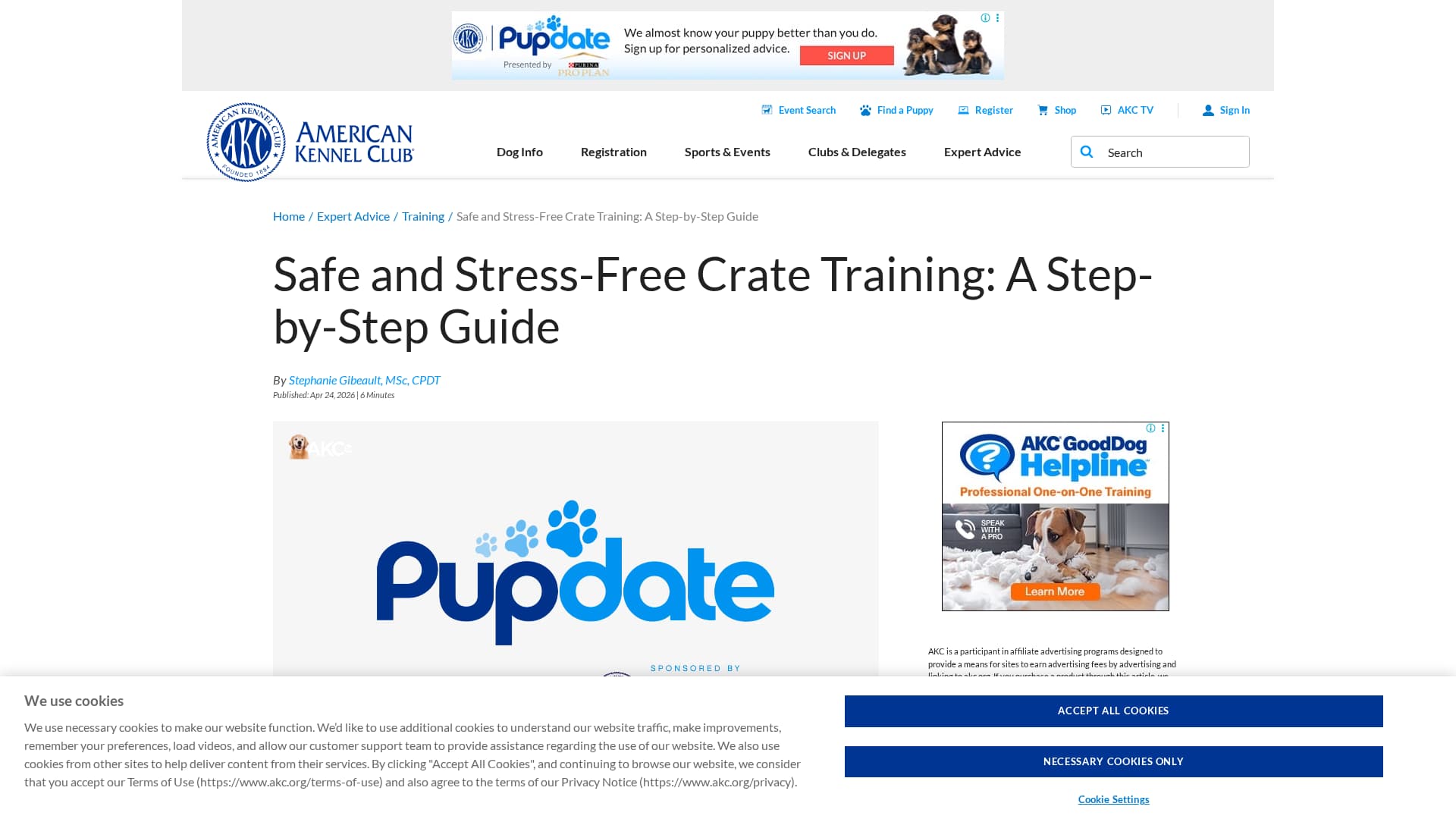
A crate works best when it feels calm, safe, and normal. Start in the first week, pair it with meals and treats, and never use it as punishment, as AKC advises.
Highlights
- Feed meals near or in the crate
- Add treats and toys
- Build time slowly, like Animal Humane Society recommends
Specs
- Best for: House training and calm downtime
Pros
- Supports potty training
Cons
- Can backfire if rushed
It ranks here because crate conditioning helps prevent accidents and teaches your dog to settle.
Last updated: July 12, 2026
4. Teach house rules with management first
Prevent the behavior before you try to correct it. New dogs need setup, not too much freedom, so use gates, indoor leashes, covered trash, and close supervision from day one. AKC recommends puppy-proofing with gates, crates, or pens so bad habits do not get repeated.
Highlights
- Block access to trouble spots early
- Supervise closely during free time
- Reward calm choices right away
Specs
- Best for: Preventing chewing, jumping, and accidents
- Main focus: Household management
- Time to start: Day one
- Trainer help level: Low
Pros
- Stops bad habits from repeating
- Makes training safer and simpler
Cons
- Needs home setup and planning
- Does not replace active training
It ranks here because clear boundaries help puppies learn the right habits first.
Last updated: July 12, 2026
Honourable Mentions
If you need more support at home, these extras help strengthen the same training base and keep things clear for your dog.
- Reward calm behavior on purpose – Helps your dog repeat quiet settling indoors.
- Practice one cue at a time – Keeps lessons simple while your dog learns basics.
- Get help before habits harden – Smart if you need personal coaching or behavior fixes.
How to choose the right in-home dog training tip
Pick the tip that fixes your biggest daily headache first. That gives you quick wins and lowers stress fast.
- Potty accidents first? Start with crate routine and close management.
- Dog gets distracted? Fix the room setup and keep sessions to 1 to 3 minutes.
- Busy schedule? Choose reward-based steps you can repeat every day.
- Fear, reactivity, or separation anxiety? Get professional help early.
Use one tip at a time until it feels normal.
If you want expert help, Hands-On Dog Training is the strongest pick for first-time owners because it focuses on positive reinforcement and practical in-home support.
Need help turning these at-home tips into real progress? Hands-On Dog Training offers positive, in-home support for first-time dog owners.
Frequently Asked Questions
Q1: What are the essential in-home dog training tips for first-time owners in the US?
Keep sessions short, reward fast, set a routine, manage chewing, use a crate well, and stay consistent.
Q2: How can positive reinforcement improve my dog’s training and bond in California?
It builds trust, lowers stress, and helps your dog repeat good choices because rewards make learning clear.
Q3: What is the best way to start crate training for a new dog in Chico and Oroville?
Feed meals near the crate, toss treats inside, keep the door open first, then add short calm closures.