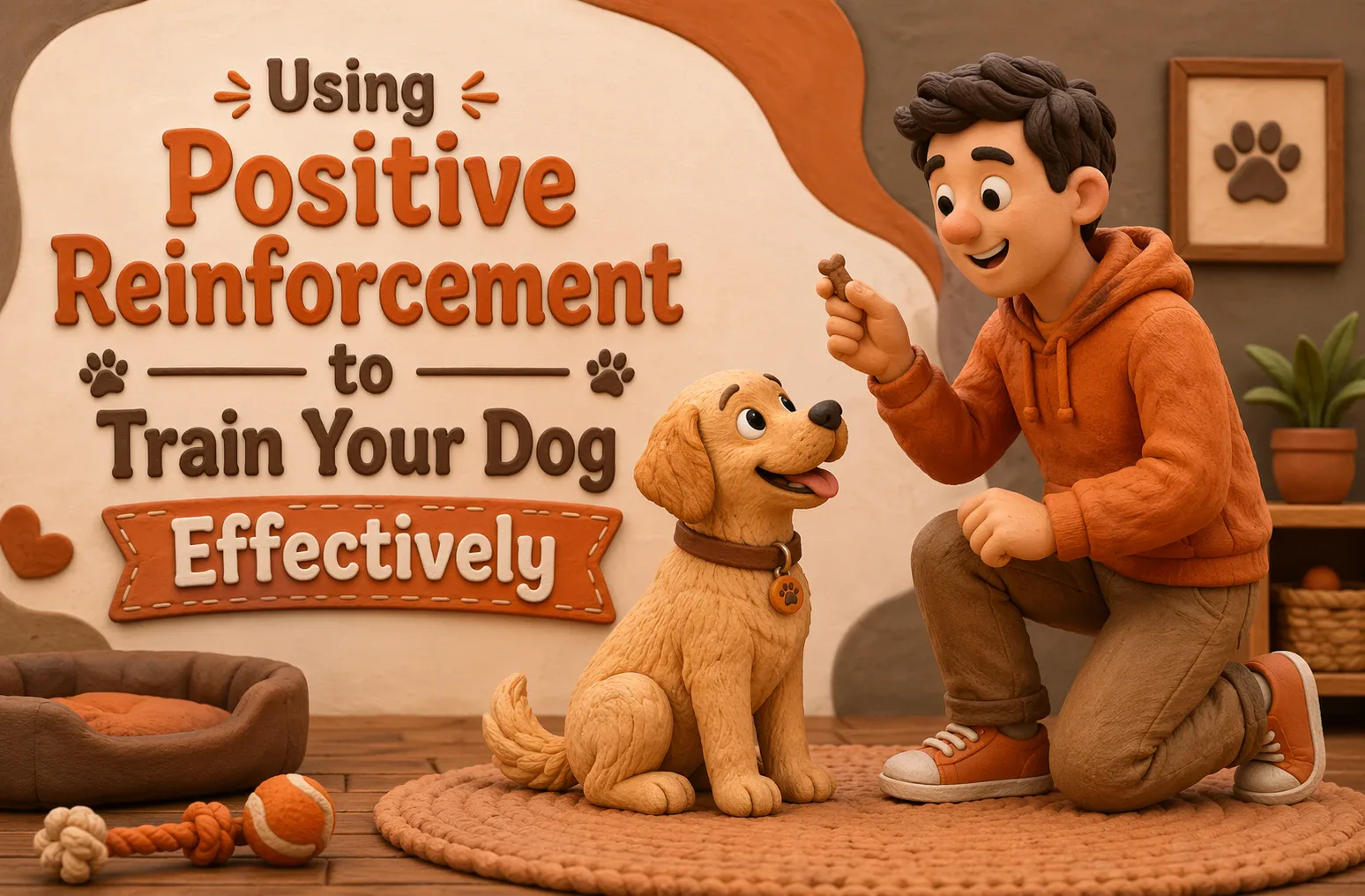
Using Positive Reinforcement to Train Your Dog Effectively
Quick Summary: Positive reinforcement teaches dogs to repeat behaviors by rewarding them immediately after the right action. The most effective rewards match the dog’s preferences and are delivered with precise timing. Starting with simple commands and short sessions helps build confidence and focus. Using reward-based methods, as recommended by experts, improves learning and behavior in real-life situations.
Your puppy may sit fast for chicken in the kitchen, then act like you vanished in the yard. That gap trips up many owners. This guide fixes it with better timing, smarter rewards, and cleaner setup. I’ll break down Positive Reinforcement Training, show where Dog Training Methods go wrong, compare solid Dog Training Methods, and connect home practice with Dog Obedience Classes so your dog listens in real life, not just indoors.
What Positive Reinforcement Training Really Means
Positive reinforcement means your dog gets something it wants right after a behavior, so that behavior happens more often. In Dog Training Methods, this is one of the clearest, most humane ways to teach skills.
Dogs learn by linking action and outcome. Sit, mark, treat. Pause at the door, get outside. According to the AVSAB positive reinforcement definition, a reward only counts if it increases the behavior. That means the right reward matters.
- Give the reward fast
- Match the reward to the moment
- Repeat enough for the dog to notice the pattern
Positive reinforcement is not bribing, spoiling, or letting bad behavior slide. It is not punishment with treats added later. The AVSAB humane dog training statement recommends reward-based Dog Training Methods and says aversive methods are not needed.
Also Read: https://handsondogtraining.com/loose-leash-walking-enjoying-stress-free-walks-in-oroville
How to Choose Rewards That Actually Motivate Your Dog
Use the right reward for the job
Not every dog works for the same thing. Some love chicken. Some want a tug toy. Some will do anything for a tossed ball or quick praise. The AKC notes that rewards should come from your dog’s point of view, not yours, and harder tasks need higher-value pay AKC reward tips.
- Use low-value rewards for easy reps at home
- Use high-value rewards for new skills, distractions, or recalls
- Switch between food, toys, play, and access to sniffing
| Training situation | Best reward type | Why it works |
|---|---|---|
| Quiet living room | Kibble or praise | Low distraction |
| Backyard practice | Soft treats or toy | Moderate challenge |
| Park or class | Chicken or favorite game | High distraction |
Match reward timing to the behavior
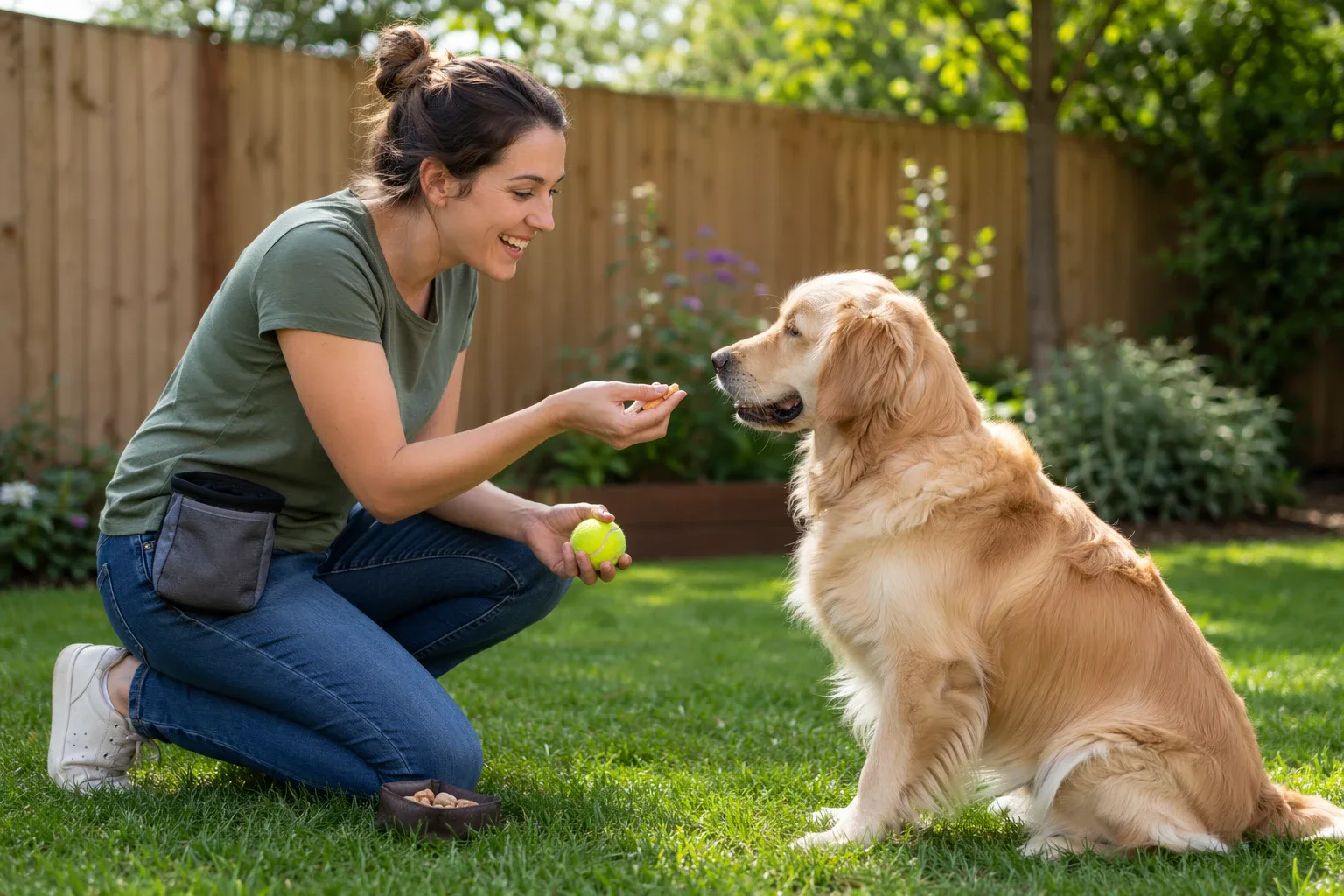
Timing matters as much as reward value. Mark the exact moment your dog gets it right, then pay fast. The AKC recommends quick delivery so your dog links the reward to the right action, not what happened two seconds later AKC timing advice.
If your dog looks confused, your timing is probably late.
- Ask for the behavior.
- Mark it right away with yes or a click.
- Give the reward fast.
- Repeat before your dog loses focus.
Also Read: https://handsondogtraining.com/the-akc-canine-good-citizen-is-your-dog-ready
How to Start Training at Home and In Dog Obedience Classes
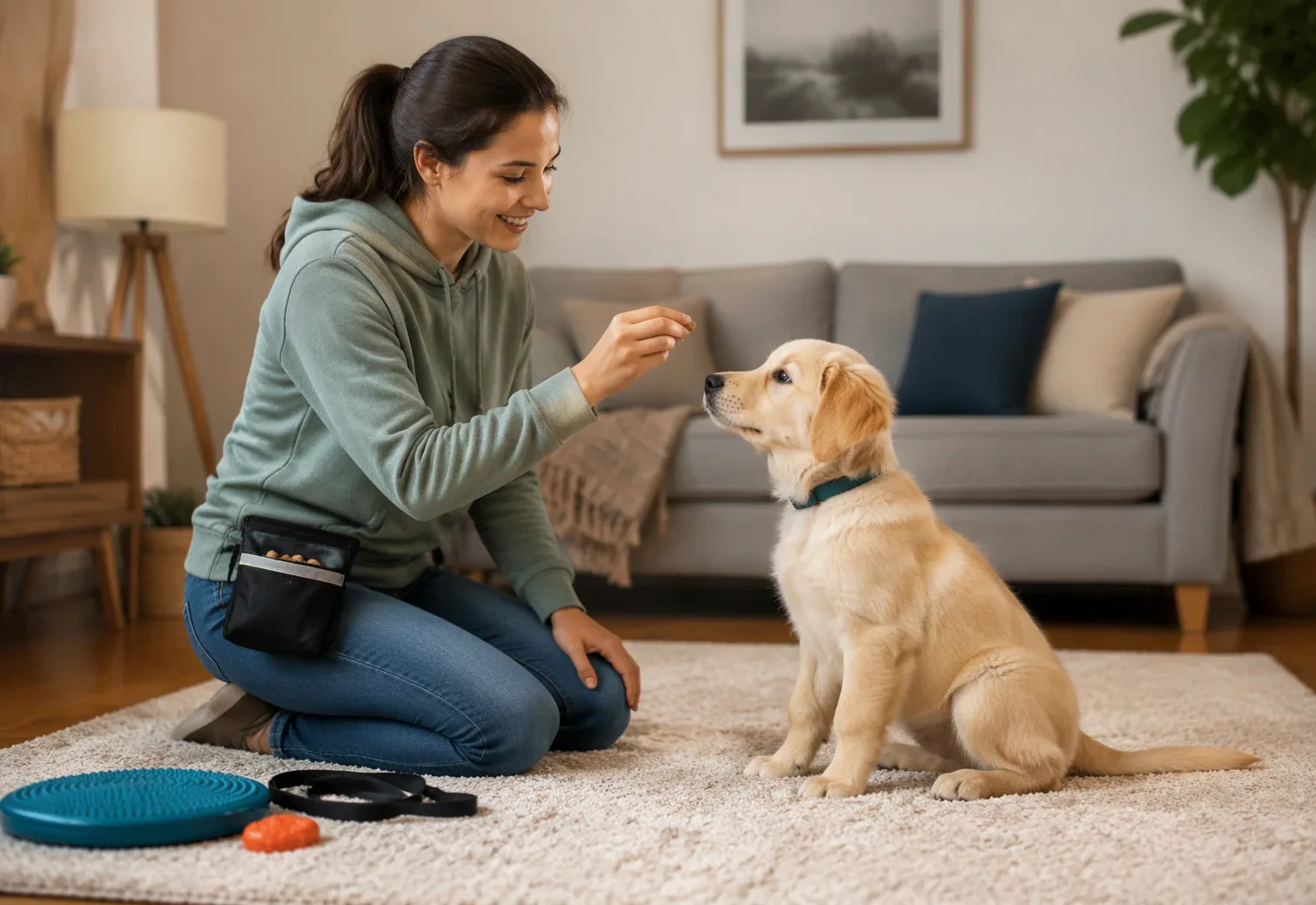
Start small. Teach one easy behavior first, like sit, touch, or coming when called. Use short sessions, clear cues, and fast rewards. The AVSAB humane training statement supports reward-based methods for both basic skills and behavior work.
- Pick one cue
- Reward the right choice fast
- Practice for 1 to 3 minutes
- Stop before your dog gets bored
Keep the bar low at first. Easy wins build speed, focus, and confidence.
Good classes add structure you may miss at home. Puppy classes can improve training, bonding, and safe socialization, and AVSAB says puppies can start classes early with proper vaccine steps in place, according to its puppy socialization statement.
- Watch for small class size
- Ask to observe first
- Choose reward-based teaching
- Expect homework between sessions
Also Read: https://handsondogtraining.com/deepening-the-bond-the-power-of-positive-reinforcement
Common Mistakes That Slow Progress
-
Rewarding too late or too rarely: Your dog learns fastest when the reward comes right after the right behavior. Slow timing can confuse the lesson, and sparse rewards can weaken it. AKC notes that quick delivery helps dogs know exactly what earned the treat in this guide on training rewards.
-
Practicing in situations that are too hard: Many dogs fail because the setup is too tough, not because they are stubborn. AKC’s Three Ds guide explains that duration, distance, and distraction each raise difficulty. Start easy, then add one challenge at a time.
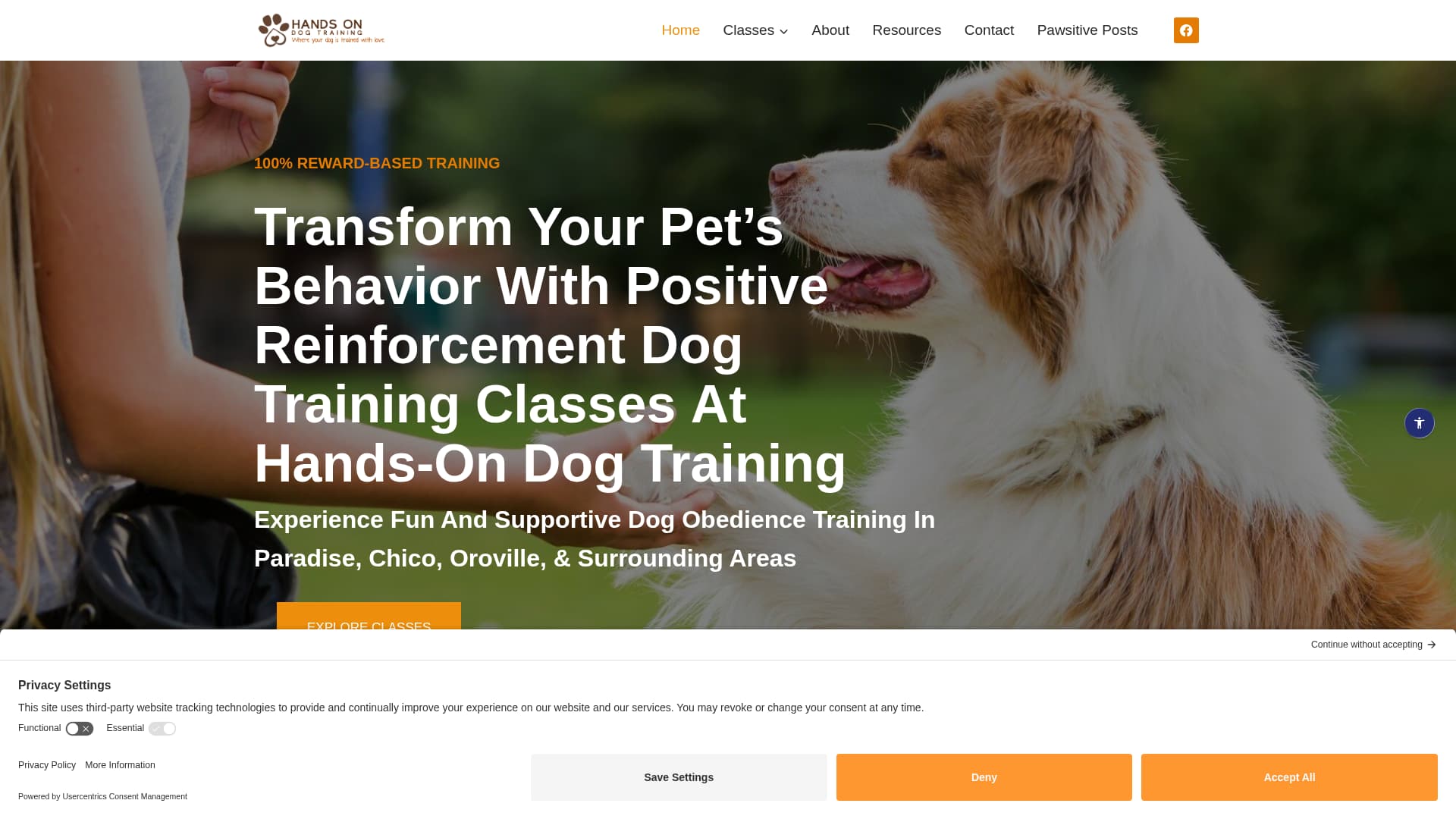
Need help turning rewards into real-life manners? Hands-On Dog Training offers positive reinforcement classes and in-home coaching in Chico and Oroville. Book a session and get a clear, stress-free plan for your dog.
Frequently Asked Questions
Q1: How does positive reinforcement enhance my dog’s learning and behavior?
It teaches your dog which actions pay off, so they repeat them more often. This builds trust, lowers stress, and speeds up learning. Dogs trained this way often show better focus, stronger recall, and fewer behavior problems.
Q2: What are the most effective rewards for positive reinforcement dog training?
Use what your dog values most in that moment. Common rewards include small treats, toys, praise, play, and access to sniffing or going outside. High-value rewards work best for hard skills, busy places, or strong distractions.
Q3: How can I implement positive reinforcement training at home in Chico or Oroville, California?
Start with short sessions in a quiet room. Mark the right behavior fast, then reward it. Practice sit, recall, leash skills, and calm greetings daily. If you need help, Hands-On Dog Training offers local support that fits real home routines.
Conclusion
Positive reinforcement works because it teaches your dog what to do, then pays well for it. Use clear timing, meaningful rewards, and steady practice. Research and AVSAB guidance support reward-based training for better learning, welfare, and everyday behavior.