

Private Dog Trainer or Group Class: Which Fits Your Dog Best?
Quick Summary: Private dog training suits dogs with fear, reactivity, or specific behavior issues, offering personalized, faster progress. Group classes are ideal for social puppies and owners seeking affordable basics and social confidence. Combining both approaches can provide comprehensive training tailored to your dog’s needs.
If your dog is reactive, fearful, or rude at home, a private trainer usually makes more sense. If your puppy mostly needs social time and basic cues, start with class. I’ve seen owners waste money by guessing. This guide compares behavior needs, speed, and convenience so you can choose a private trainer, skip one, or add a private trainer later.
Private Trainer vs Group Class: At a Glance
| Private trainer | Group class | |
|---|---|---|
| Best for | Reactivity, fear, behavior issues, custom goals | Puppies, basics, manners, social confidence |
| Socialization | Low; controlled exposure only | High; built into class |
| Individual attention | High | Moderate |
| Distraction level | Low and adjustable | Medium to high |
| Schedule flexibility | High | Lower; set class times |
| Typical cost value | Higher upfront, highly targeted | More budget-friendly |
How Private trainer and Group class Compare
Private trainer
Private training gives you one-on-one help built around your dog, home, and daily problems. It fits dogs with reactivity, fear, or specific behavior goals that need a calm, adjustable setup.

Group class
Group class teaches core skills in a shared setting with real-life distractions. It fits puppies, beginner dogs, and owners who want manners practice, social confidence, and a lower-cost way to build a solid base.
Training Goals and Dog Temperament
When individual behavior challenges need a custom plan
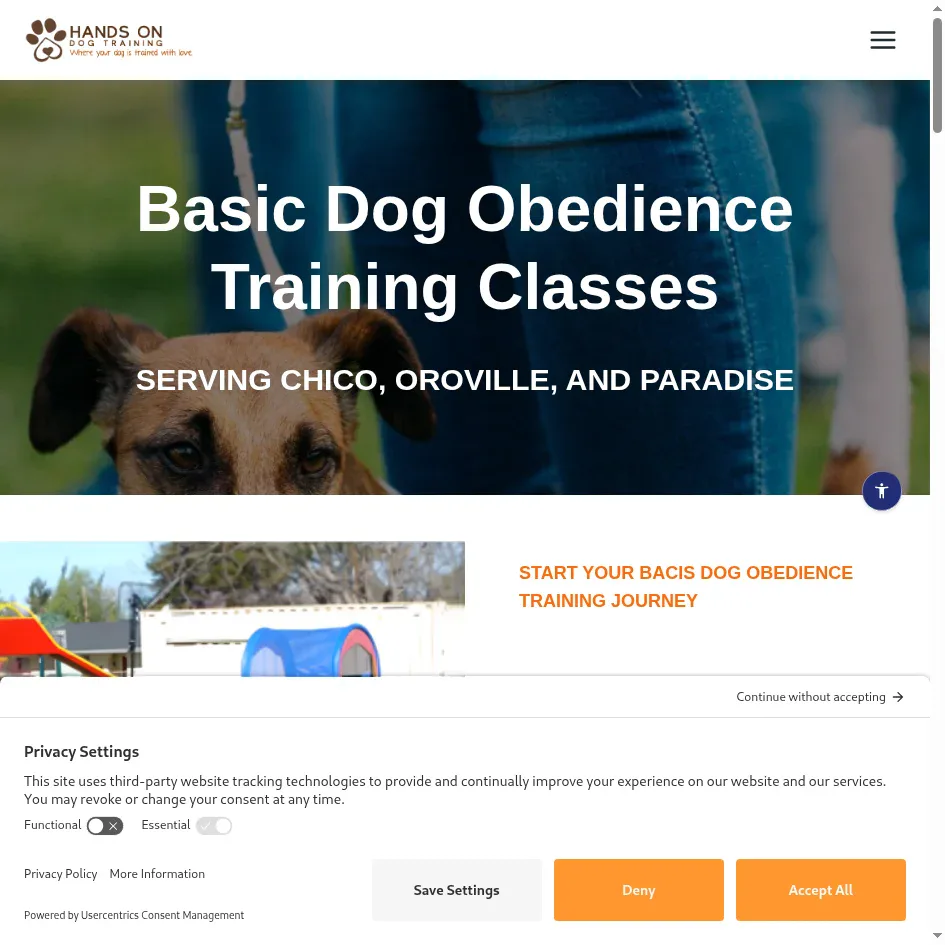
Pick private training if your dog has fear, reactivity, guarding, or shuts down fast. A custom plan helps you work at your dog’s pace and in the places problems happen, like your front door or neighborhood walk. The AAHA notes that poor or disrupted sleep can raise problem behavior, so context matters during training How sleep shapes canine behavior.
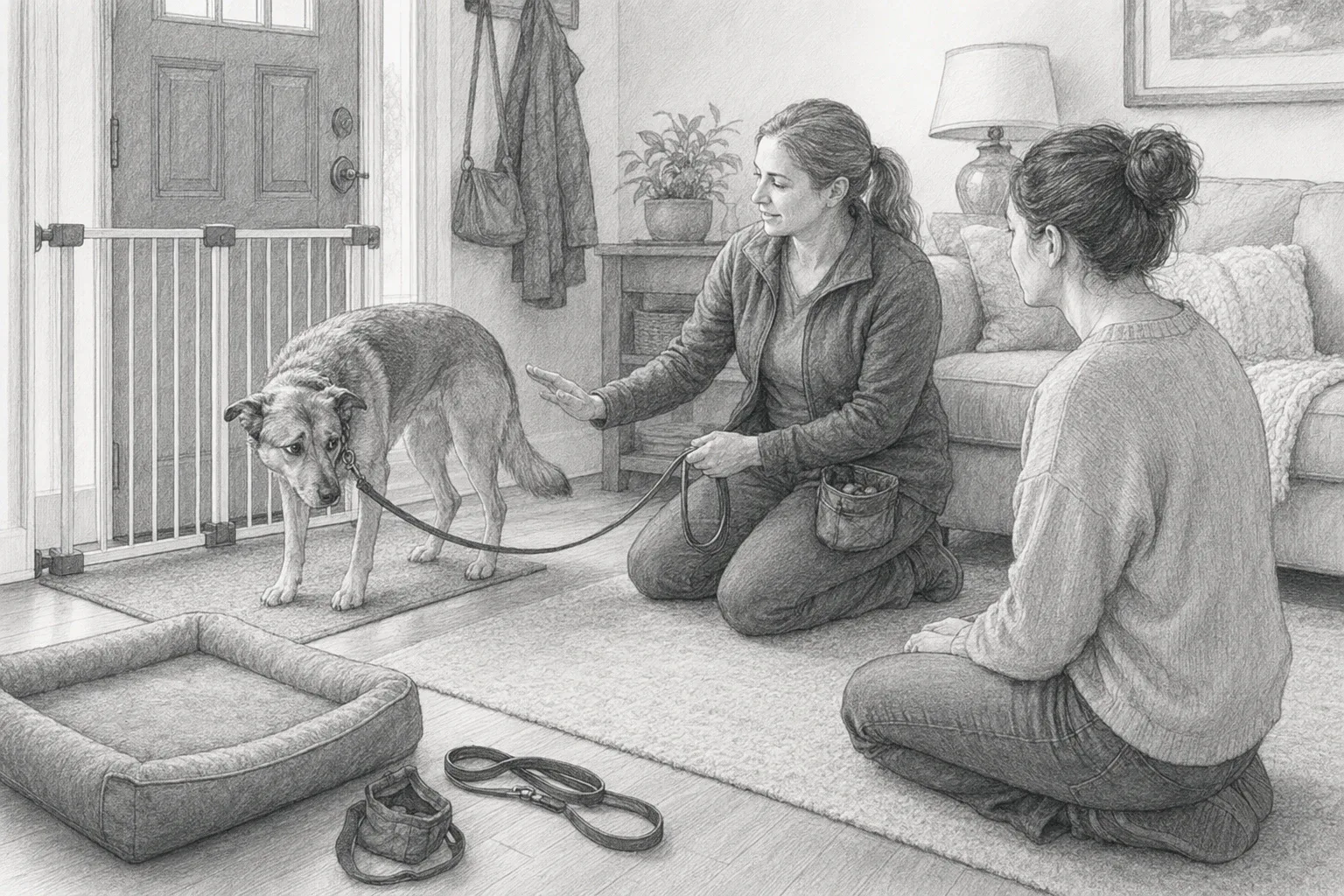
If your dog is already overwhelmed around other dogs, a group class can add pressure instead of progress.
When social learning is the real objective
Choose group class when your main goal is focus, polite greetings, and working calmly near other dogs. Early social exposure helps puppies build confidence and habits How Does Puppy Behaviour Training Build Lifelong Good Habits?.
- Best for friendly, food-motivated dogs
- Less ideal for dogs who panic or lunge
Also Read: https://handsondogtraining.com/deepening-the-bond-the-power-of-positive-reinforcement
Learning Environment, Pace, and Owner Coaching
Private sessions move faster when your dog has a clear problem, like leash reactivity, fear, or rough house manners. The trainer can change timing, distance, and rewards on the spot. AVSAB says reward-based methods should be used for all dog training and behavior work in its humane training statement.
Group class helps when your dog needs focus around people, dogs, and new sights. That setting builds practice with safe distractions. AVSAB also says puppy classes can improve training, owner bond, and socialization in a controlled setting in its puppy socialization statement.
Also Read: https://handsondogtraining.com/loose-leash-walking-enjoying-stress-free-walks-in-oroville
Cost, Convenience, and Best-Value Choice
- When group class is the better value: Choose group if your dog is social, food-motivated, and mostly needs basics. Classes cost less per session and add safe exposure to dogs and people. The AVMA notes early class attendance can reduce fear later according to its review.
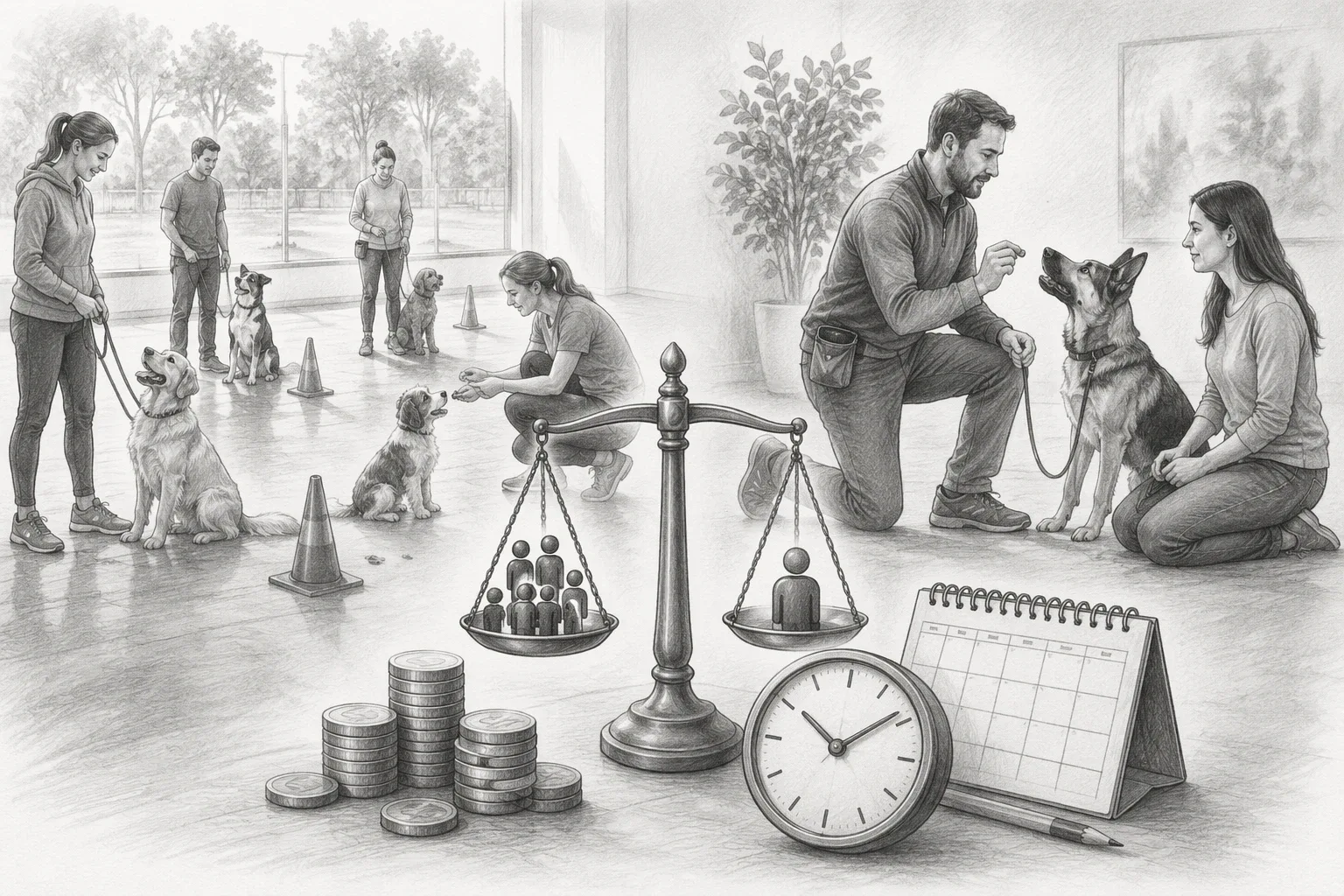
- When private training justifies the premium: Pay more for private help if your dog shows fear, reactivity, guarding, or can only fail in your real home. That custom setup is often faster and safer. AVMA also warns shared dog settings can raise disease risk if screening is weak in canine social settings.
Also Read: https://handsondogtraining.com/the-akc-canine-good-citizen-is-your-dog-ready
Which Should You Choose: Private Trainer or Group Class?
Choose private training first if…
- Your dog shows fear, reactivity, guarding, or kid-related stress. One-on-one work is safer and easier to tailor. Early socialization gaps can raise fear risk, according to AVMA’s review.
Choose group class first if…
- Your dog is social, food-motivated, and mostly needs basic skills around distractions. Group classes can boost safe exposure to people and dogs, and class puppies showed broader socialization in this JAVMA study.
Need help choosing private training, group class, or both? Hands-On Dog Training can match your dog, goals, and budget.
Frequently Asked Questions
Q1: Compare top dog training programs locally.
Hands-On Dog Training fits owners who want positive reinforcement, local Chico-Oroville support, and either private in-home help or classes. Ridgeside K9 NorCal, Sierra Canine, and The Canine Connection may suit different goals, but compare methods, trainer access, and follow-up.
Q2: When should I pick private lessons first?
Start private training if your dog is fearful, reactive, easily overwhelmed, or has house-specific issues like barking at guests. Private sessions let the trainer work on your exact triggers and build skills before adding class distractions.
Q3: When is a group class enough?
Group class works well for social puppies, friendly adult dogs, and owners who need structure, practice, and lower cost. It is best when your dog can still take food, focus, and recover quickly around other dogs and people.
Conclusion
Choose private training for safety, fear, reactivity, or fast progress. Choose group class for social skills and basics. Combine both for the best of each. The AVSAB says early, safe socialization matters most.


